

Tech
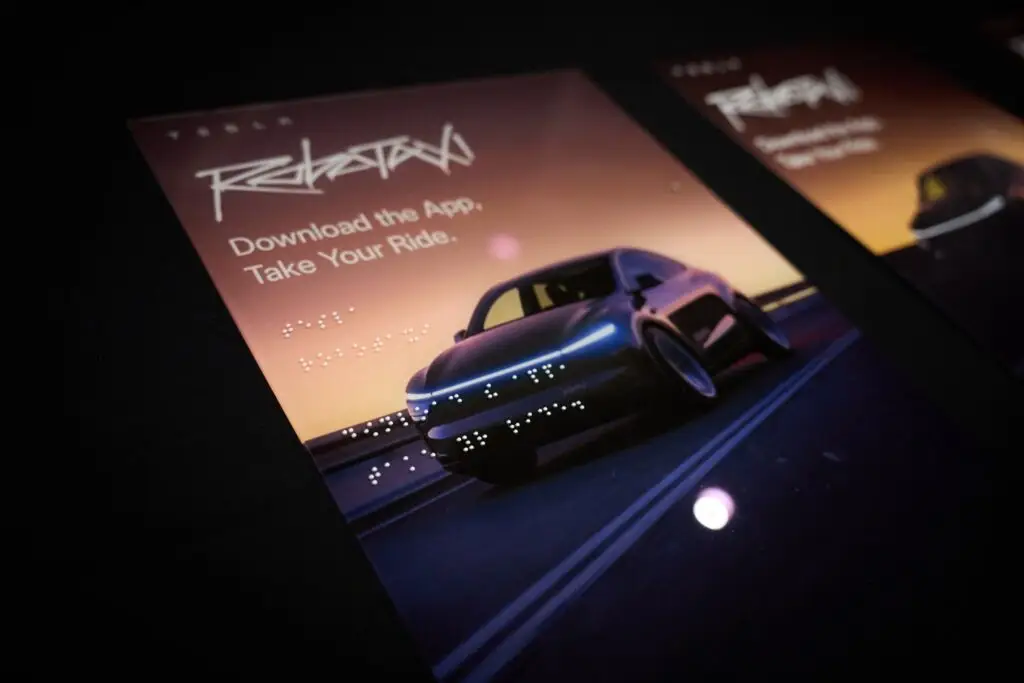
Tesla's ride-hailing network now covers five U.S. markets, though the experience varies by location. Some rides are unsupervised, others include a safety monitor, and every market still operates within a limited service area.
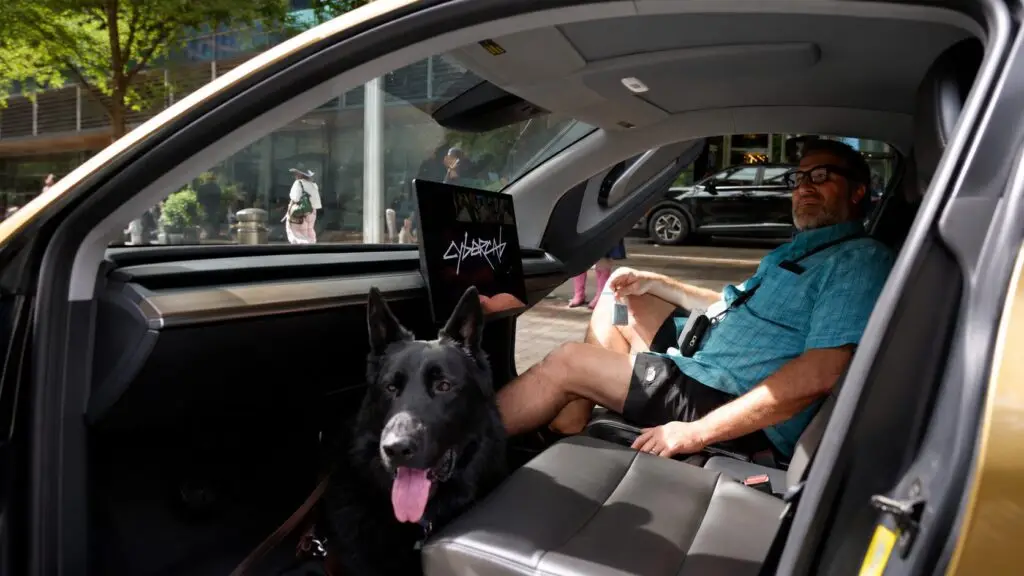
Tesla's latest Cybercab demonstration shows Braille labels, physical buttons and room for guide dogs. Those details will matter if blind passengers are expected to complete a driverless trip without help from someone inside the vehicle.
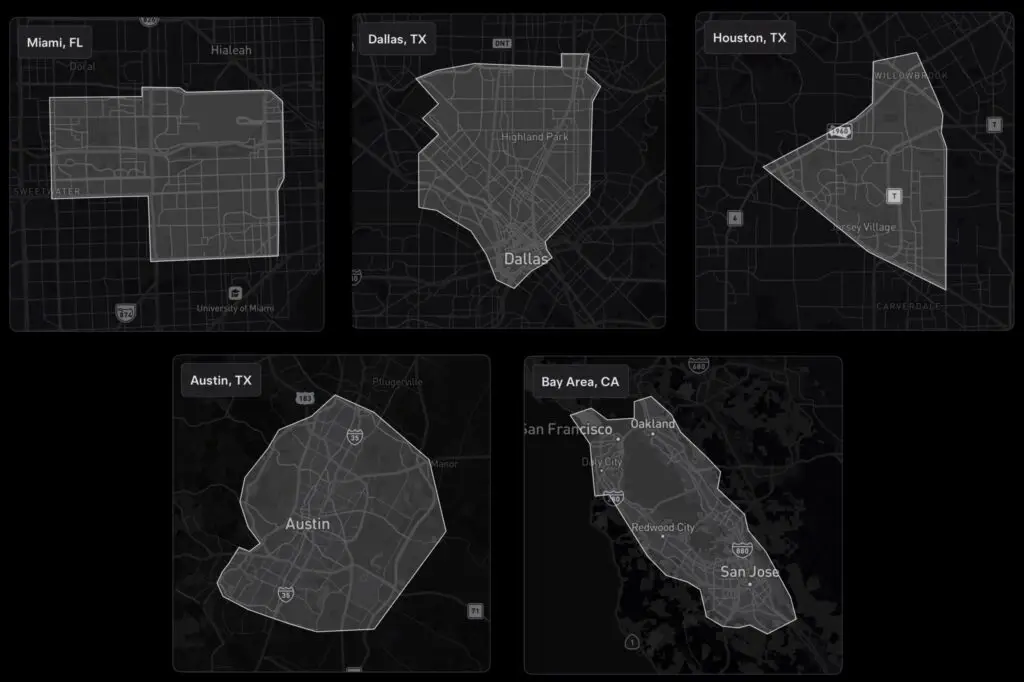
Tesla's ride-hailing network now reaches five U.S. markets. But the experience differs by city, with some vehicles running without a driver and others carrying a safety monitor inside limited service zones.
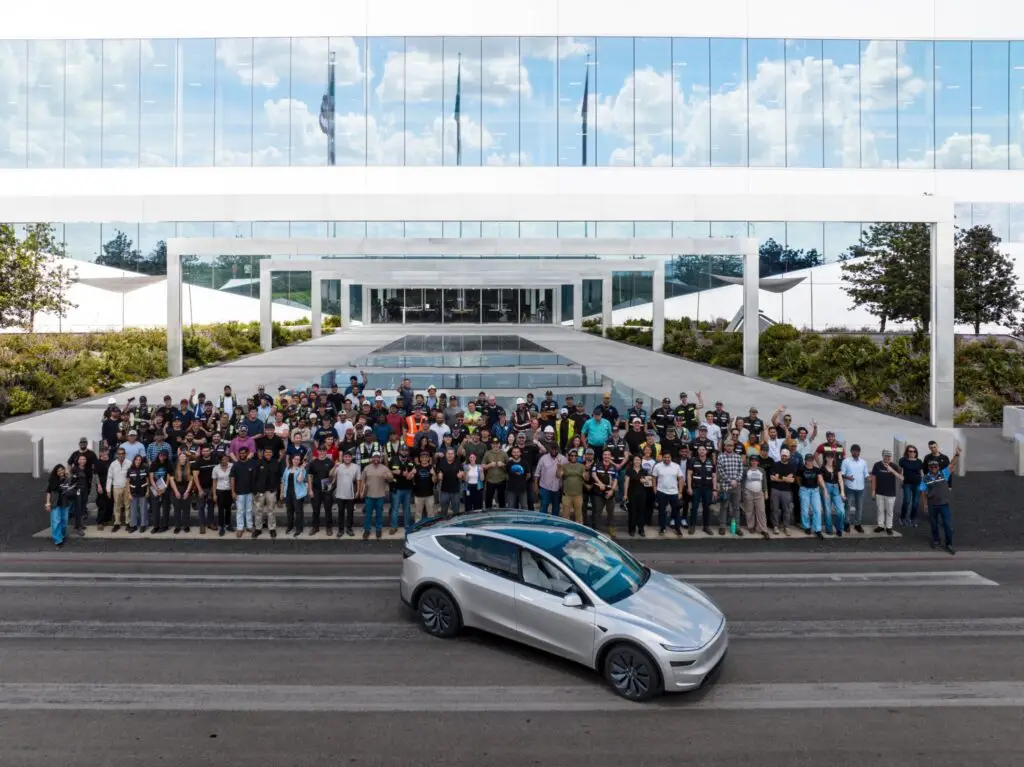
Building the six-seat Model Y Long Wheelbase in Texas lets Tesla reach families that need a usable third row while extending its highest-volume platform into a more expensive segment.
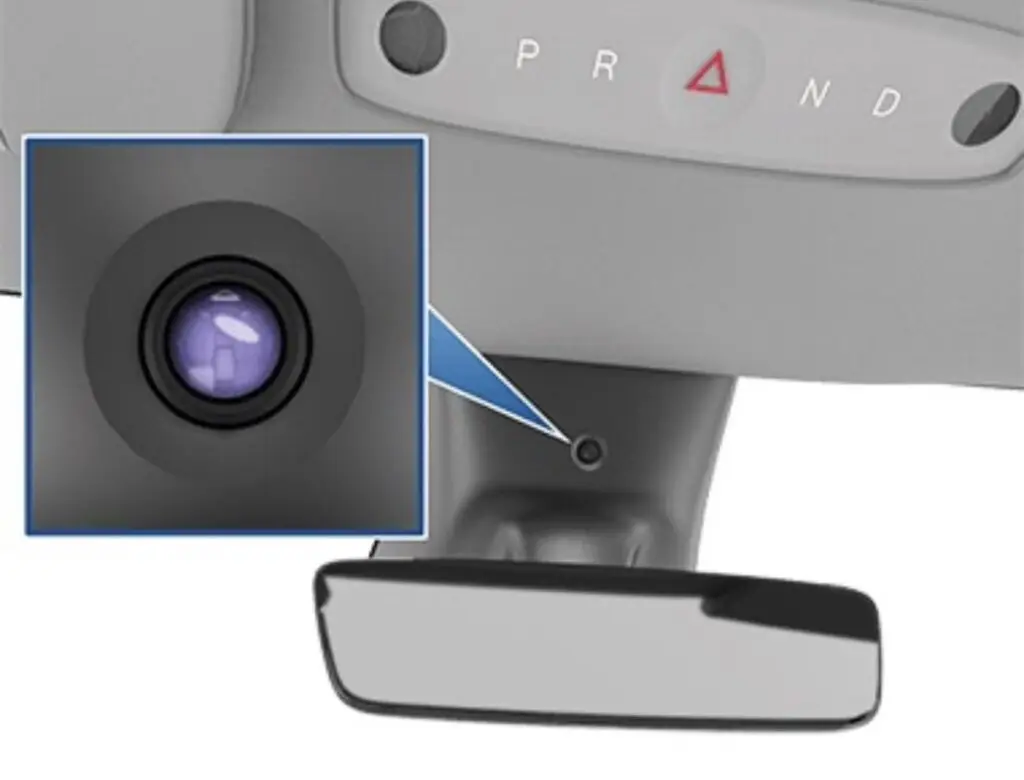
Code found in the Tesla app suggests the company may be exploring identity checks for FSD. The idea could improve access control, but facial verification would introduce new privacy and reliability questions.
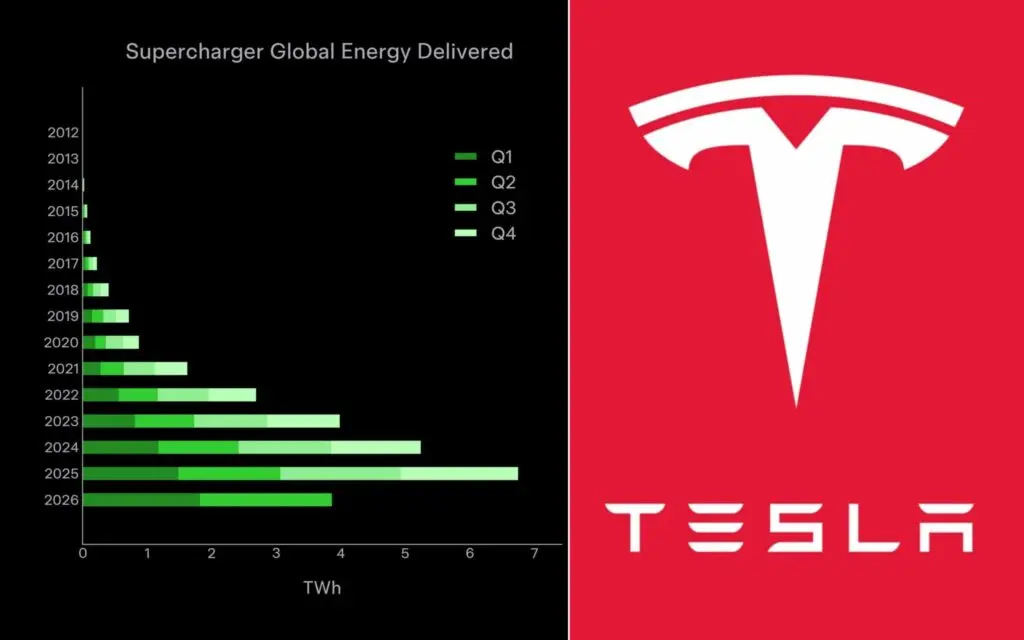
Tesla delivered more energy through each Supercharger connector in the second quarter while reporting very little waiting, showing why network performance cannot be measured by plug count alone.
Tesla is testing a production Cybercab without a steering wheel or pedals while also presenting the vehicle in a playful patriotic wrap. Both appearances show how much public acceptance will depend on predictable behavior and clear communication.
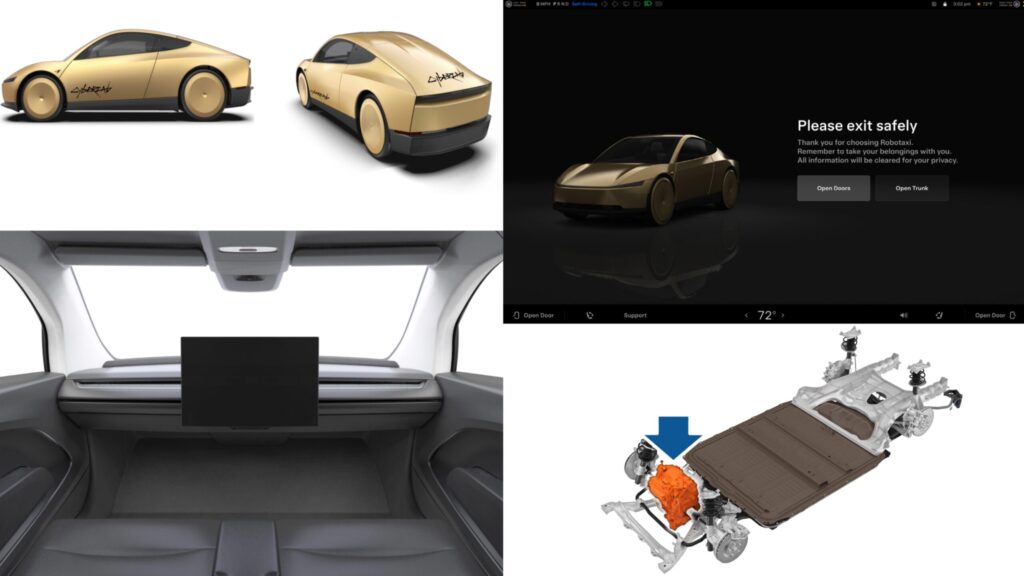
Tesla's Cybercab emergency guide shows that avoiding collisions is only part of the job. A driverless vehicle also needs to be understandable and controllable after something goes wrong.
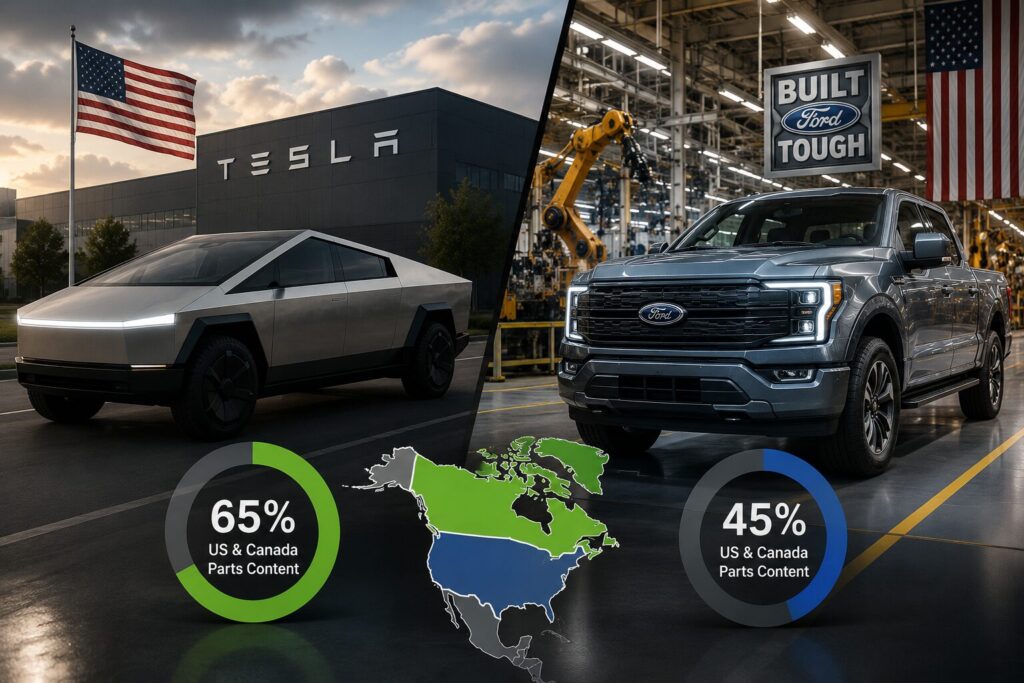
Federal data shows that the 2026 Cybertruck has more reported US and Canadian parts content than the Ford F-150, although the label measures only one part of a complicated supply chain.
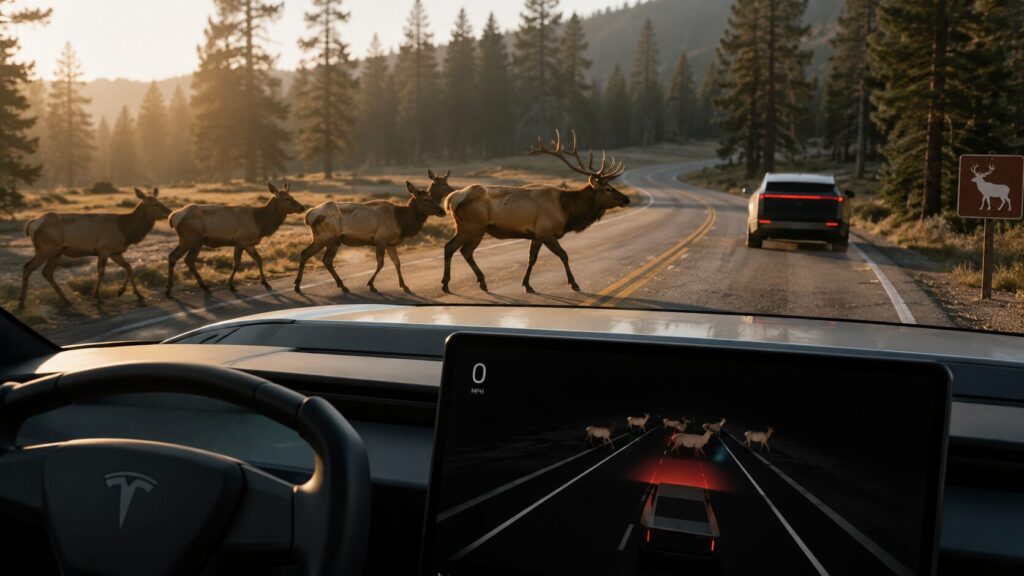
A Cybertruck stopping smoothly for elk in Yellowstone is a useful example of machine perception. One successful video, however, cannot tell us how reliably the system handles similar encounters.
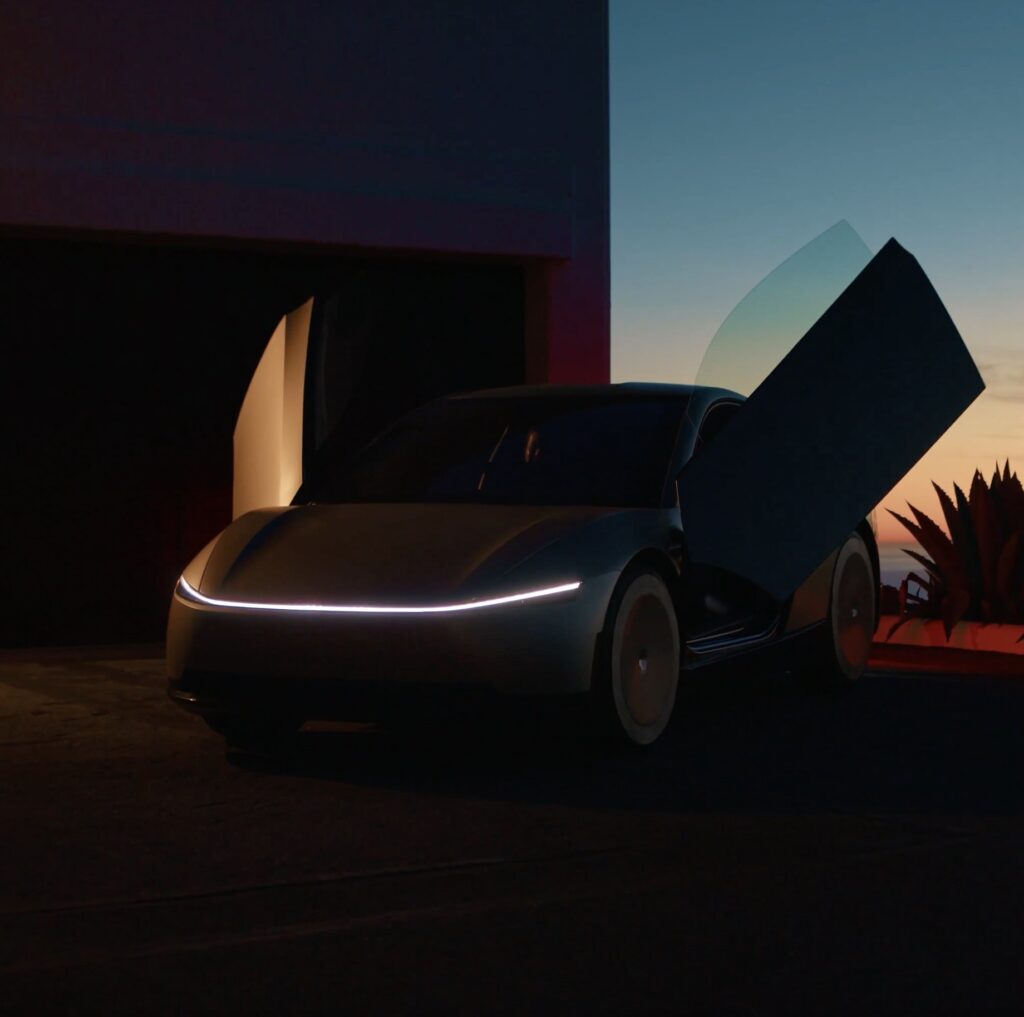
NHTSA's move away from requiring manual brake pedals in vehicles built only for automated driving systems signals that regulators are starting to treat robotaxis as their own category, separate from regular cars with the driver removed.
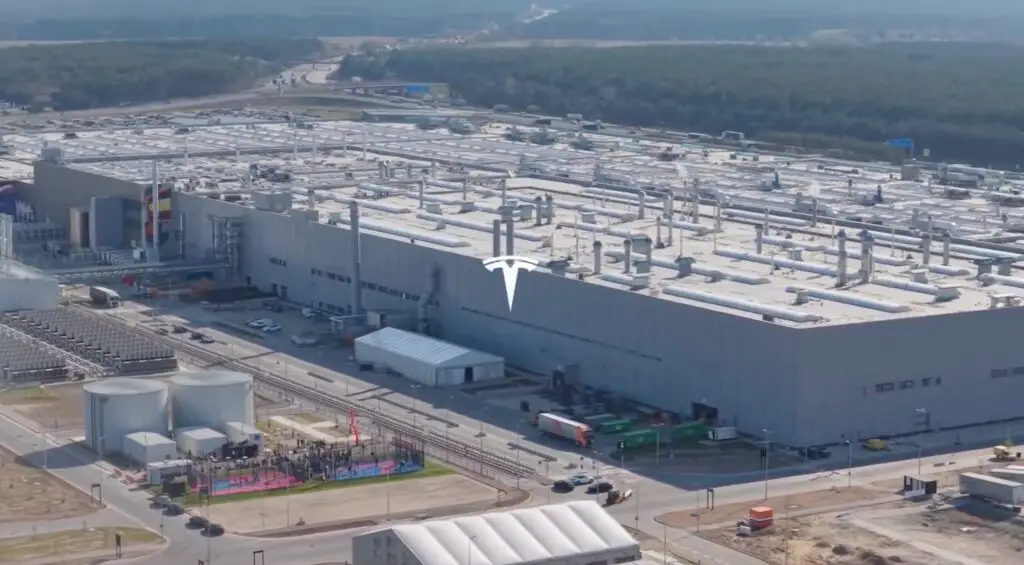
Tesla's reported plan to raise Giga Berlin output to 7,500 vehicles per week points to a basic truth in Europe: EV competition now depends on factory rhythm, labor, and local production as much as demand headlines.
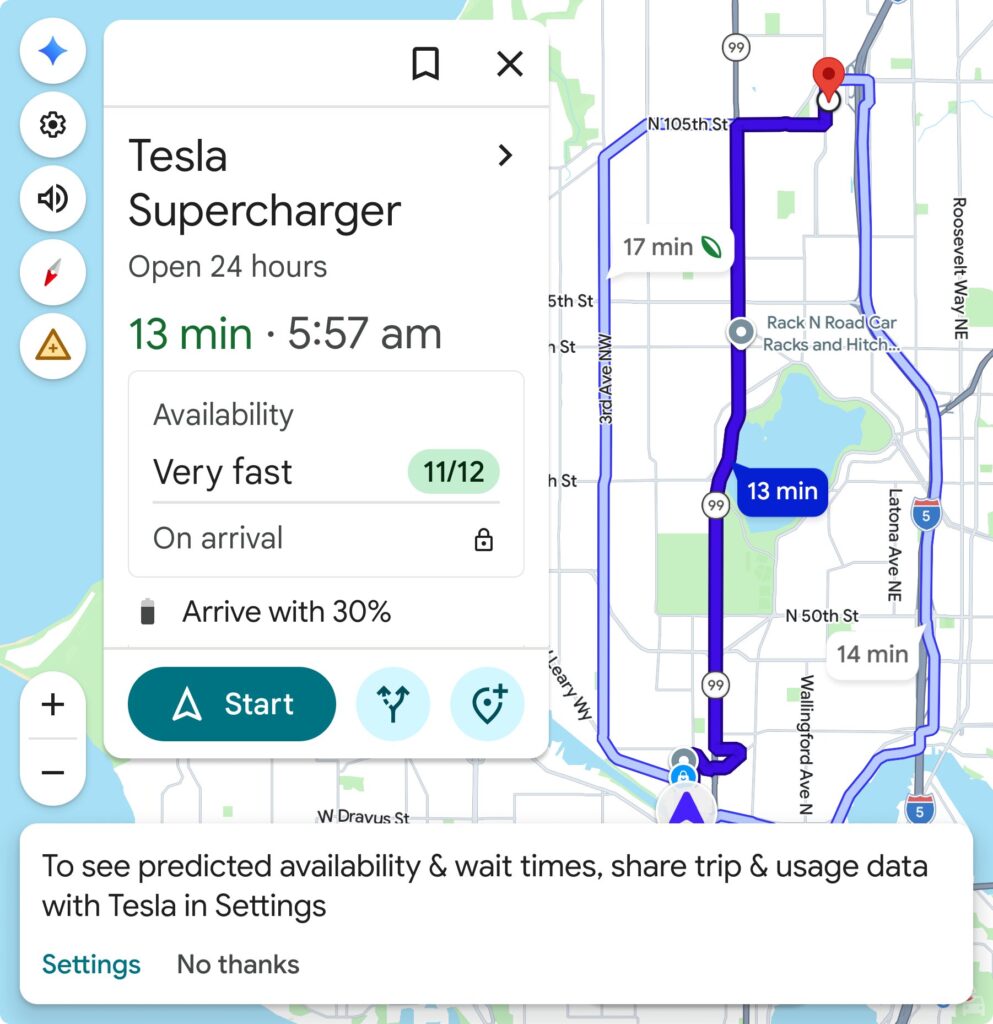
Tesla's rollout of forecasted Supercharger stall availability to eligible EVs with Google Maps built in shows that charging reliability now depends on prediction as well as plug count.
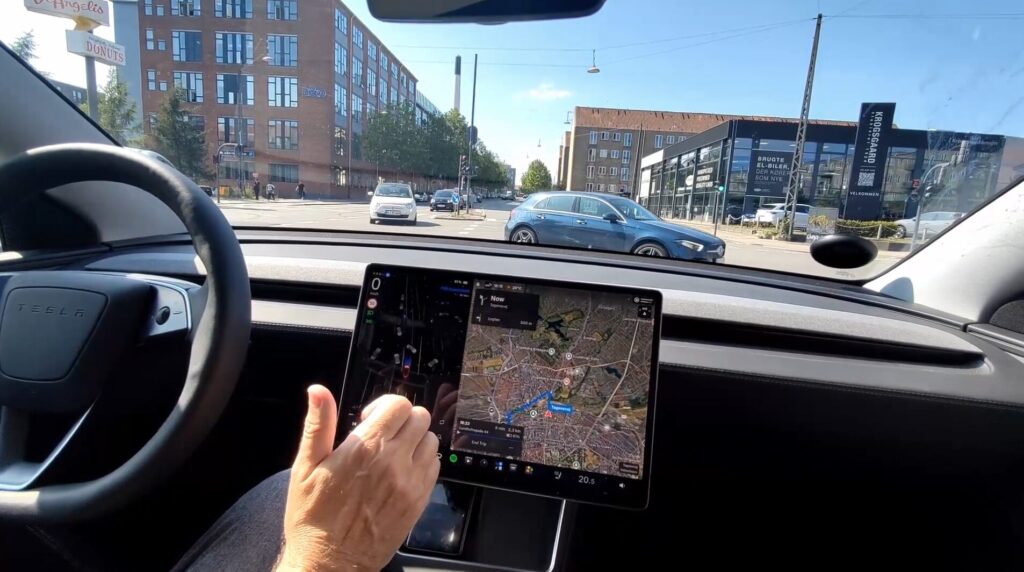
A widely shared Copenhagen clip of FSD Supervised avoiding a collision gives Tesla supporters a vivid example. The harder European question is how to turn moments like this into evidence regulators and drivers can trust.
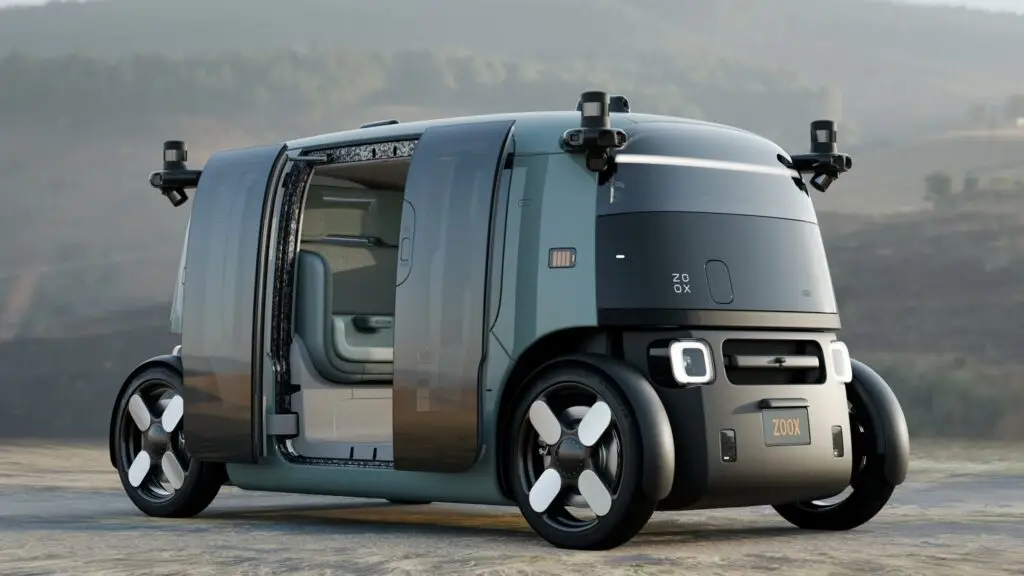
Zoox's updated robotaxi and Tesla's Cybercab factory movement point to the same next step: autonomy has to be manufactured, processed, deployed, cleaned, charged, and supported over and over again.
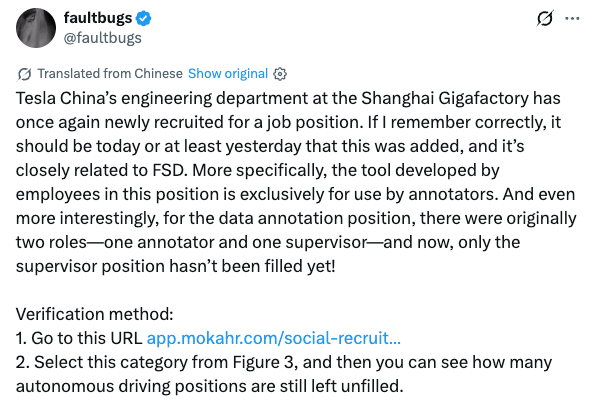
A reported Tesla China engineering role tied to FSD data-labeling tools suggests that bringing supervised autonomy to China may depend as much on local data workflows as on launch approval.
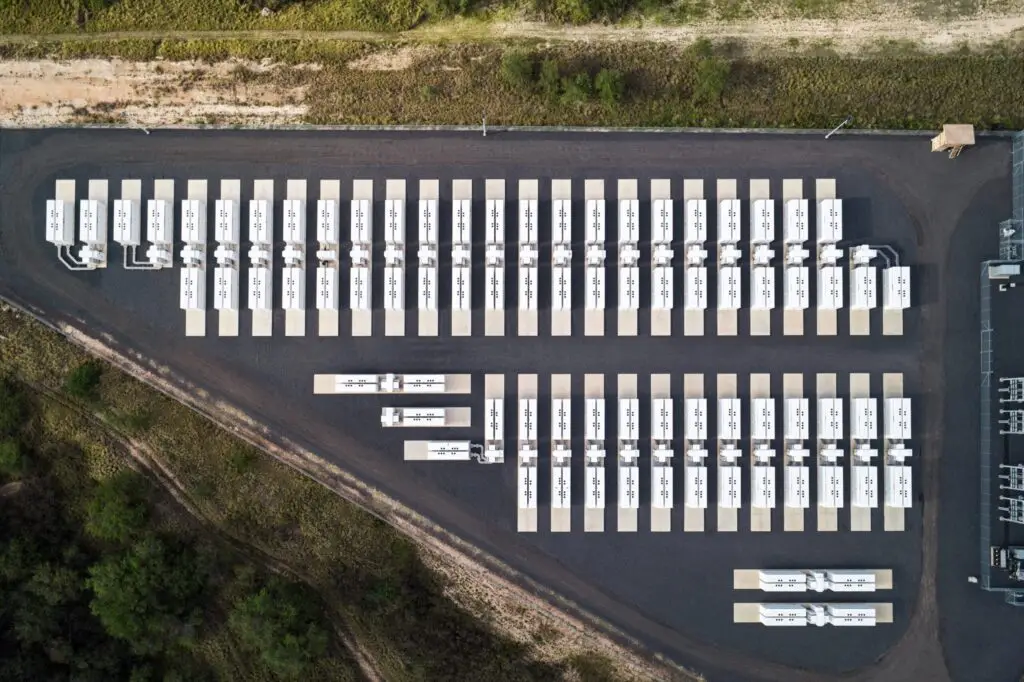
Tesla's reported Belgium Megablock project and U.S. distributed power plant partnership point in the same direction: batteries, homes, and software are becoming flexible grid capacity.
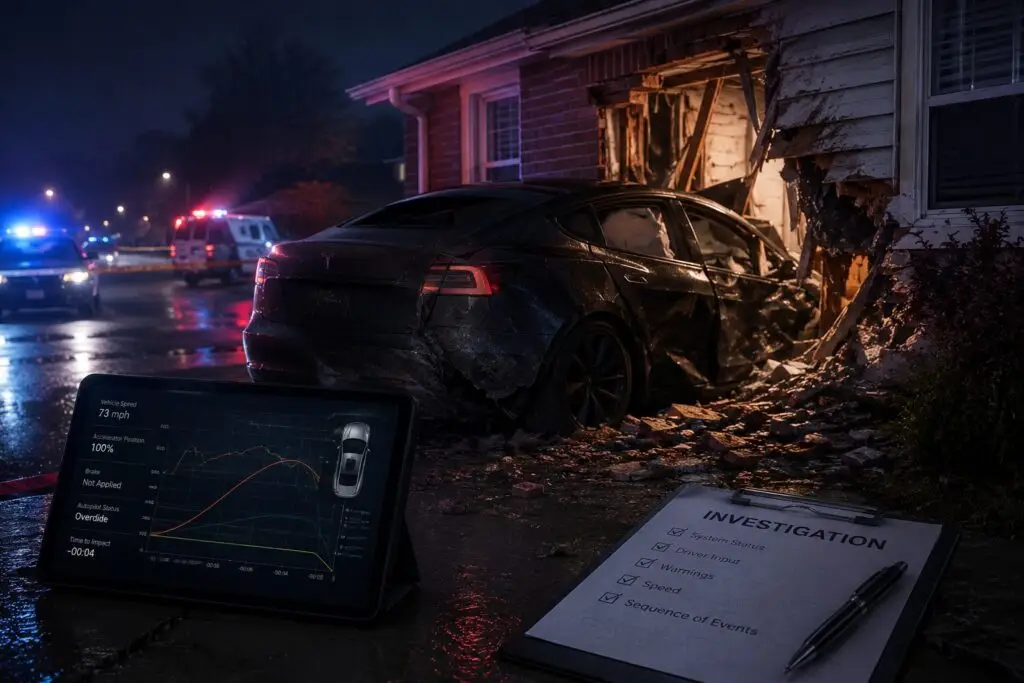
A Model 3 reportedly hit a Texas home at 73 mph. Tesla says the driver pressed the accelerator and overrode the automated system, a claim that changes the questions investigators need to ask but does not settle the case.
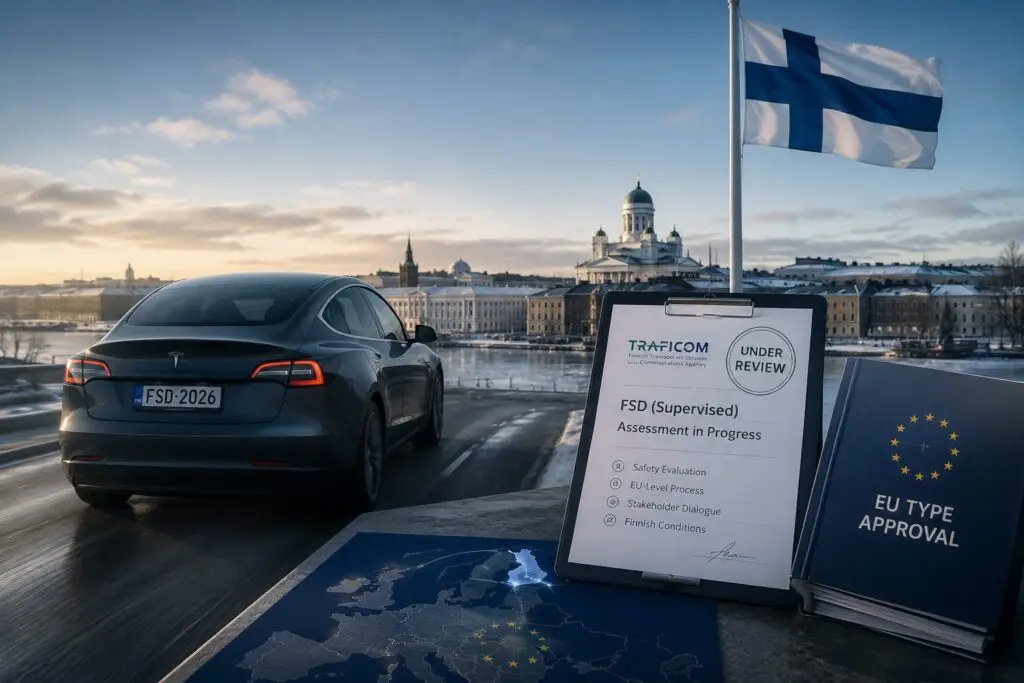
Finland's reported review of Tesla FSD is not just about one small market moving first. It is a test of whether Europe can judge fast-changing driving software without locking it inside rules built for older cars.
Tesla's new charging stats, badges, and free Supercharging competition suggest the company wants charging to feel like a product feature, not just a stop on the way.