

 由 Sherry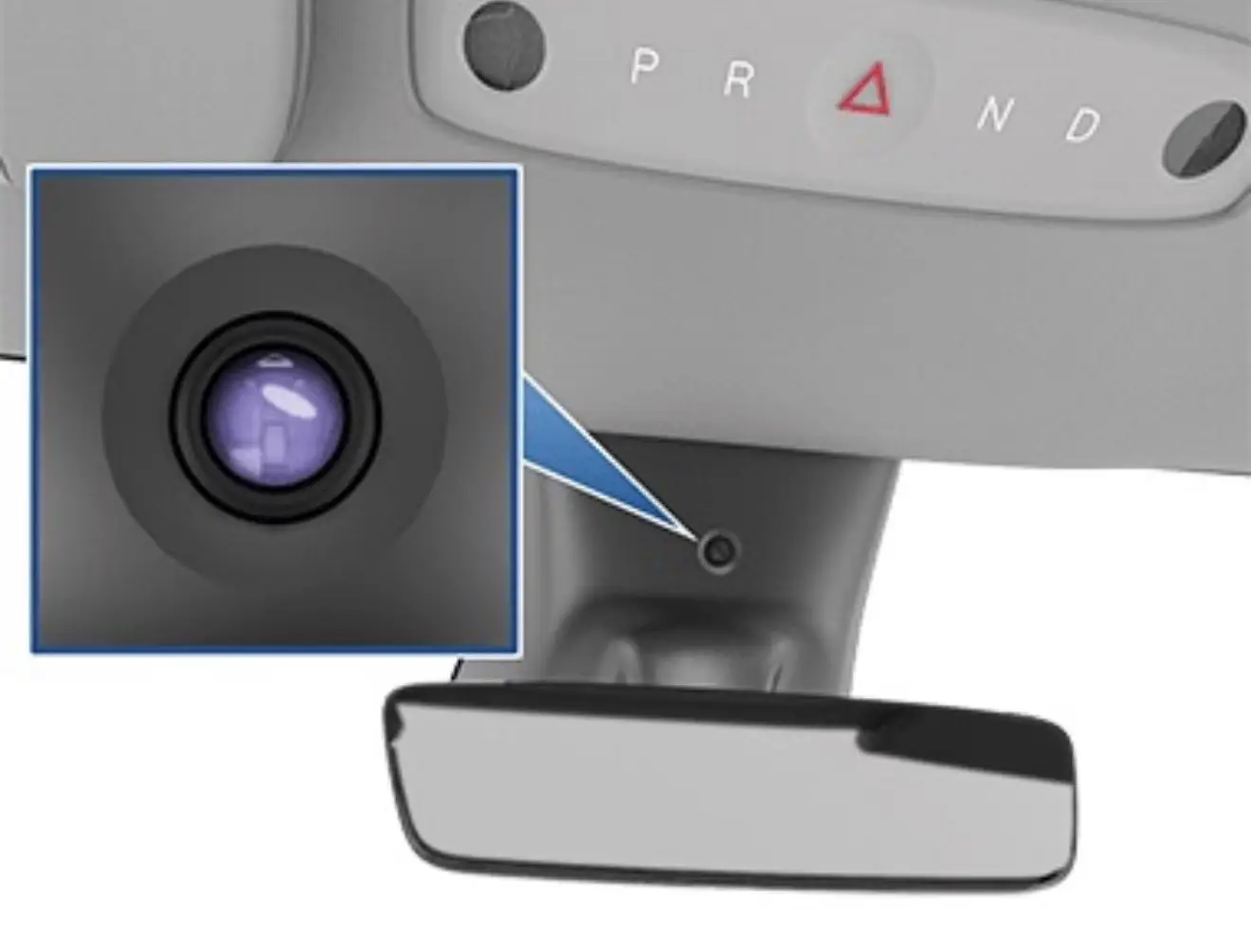
Table of Contents
A code clue, not an announced feature
An examination of Tesla app version 4.58.5 found text referring to an FSD identity-check failure and a related dialog. That prompted speculation that Tesla could use the cabin camera to confirm an authorized driver before enabling Full Self-Driving (Supervised).
The interpretation is plausible, but app code does not confirm a customer feature. It often contains unfinished experiments and internal functions that never ship. Tesla has not announced facial identity verification for FSD.
The clue still raises a useful question. FSD access is currently tied mainly to the vehicle and account, while legal responsibility remains with the person driving. Tesla may eventually want to confirm who is behind the wheel before enabling its most capable assistance mode.
Person-level permission has practical uses
Family members, employees, renters, technicians and friends often share cars. They may have different experience and different permission to use paid or safety-sensitive functions.
Identity checks could support parental controls, limit fleet features to trained workers or confirm the named renter. They might also reduce misuse when account credentials or phone keys are shared. The open question is whether those goals require facial analysis.
The cabin camera would take on a new role
Tesla currently describes the cabin camera mainly as an attention monitor. It can detect inattentiveness while Autopilot or FSD (Supervised) is active. The Model Y manual says the data is processed in the car by default and is not associated with the VIN unless the owner enables relevant sharing.
Attention monitoring asks whether the driver is watching the road. Identity verification asks whether the face matches an enrolled profile.
The second task usually needs a biometric template, an enrollment process and rules for storage and deletion. Tesla would also have to explain whether identity results are logged or connected with trip history.
Tesla’s manual has previously said that the cabin camera does not perform facial recognition or identity verification. If the feature ships, the company would need to revise that explanation clearly.
Local processing is the safest boundary
The least intrusive design would store templates and perform matching inside the vehicle. An owner could enroll a driver locally, and the car could return a pass or fail without uploading the image or template.
That design would reduce the impact of an account breach and limit the chance of linking identity with location history. It would also match Tesla’s current emphasis on local cabin-camera processing.
Cloud identity might be convenient for fleets and rentals that use several vehicles, but it would create a sensitive database. A face cannot be reset like a password after a breach.
Tesla should answer basic questions before asking anyone to enroll. Owners need to know where templates are stored, whether video leaves the car, how long failed checks remain and how to delete enrollment data. Private owners should also know whether the feature is optional.
False rejections need a fallback
Sunglasses, low light, hats, blocked cameras, aging and changes in appearance can affect face matching. Weak training and validation can also produce unequal error rates between demographic groups.
A false rejection could remove an assistance feature the driver expected to use. Tesla would need a secure alternative through the app, a PIN or another verified device. The interface should distinguish a blocked camera from a face mismatch or missing permission.
Approval must not suggest that the recognized person is more capable than they are. FSD remains supervised unless Tesla deploys a separately approved system. Verifying identity does not transfer responsibility to the vehicle.
Tesla would need a clear identity policy
The app text may never reach customers. If it does, Tesla should describe facial verification as a new data practice rather than bury it among routine update settings.
Owners need control over enrollment, storage and deletion. Shared drivers should know when a check occurs, while fleet managers need permissions without unnecessary access to employee biometrics.
Driver recognition could improve security and personalization. Quietly turning an attention camera into a persistent identity sensor would be a different product decision. Whether it feels protective or invasive will depend on where the data goes and how clearly Tesla explains the system.
Source
- Sawyer Merritt post: https://x.com/SawyerMerritt/status/2072467224892215532
- Tesla App Updates iOS, Tesla App 4.58.5 De-Compile: https://x.com/Tesla_App_iOS/status/2072465708705849750
- Tesla Model Y Owner’s Manual, Cabin Camera: https://www.tesla.com/ownersmanual/2020_2024_modely/en_us/GUID-EDAD116F-3C73-40FA-A861-68112FF7961F.html
- Tesla Model Y Owner’s Manual, Full Self-Driving Supervised: https://www.tesla.com/ownersmanual/2020_2024_modely/en_us/GUID-11E01B0B-DC74-4B8D-B979-DA37EC6F9093.html
- Tesla FSD Supervised Rideshare Rider Privacy Notice: https://www.tesla.com/resources/fsd-supervised-rideshare/privacy