

 由 Sherry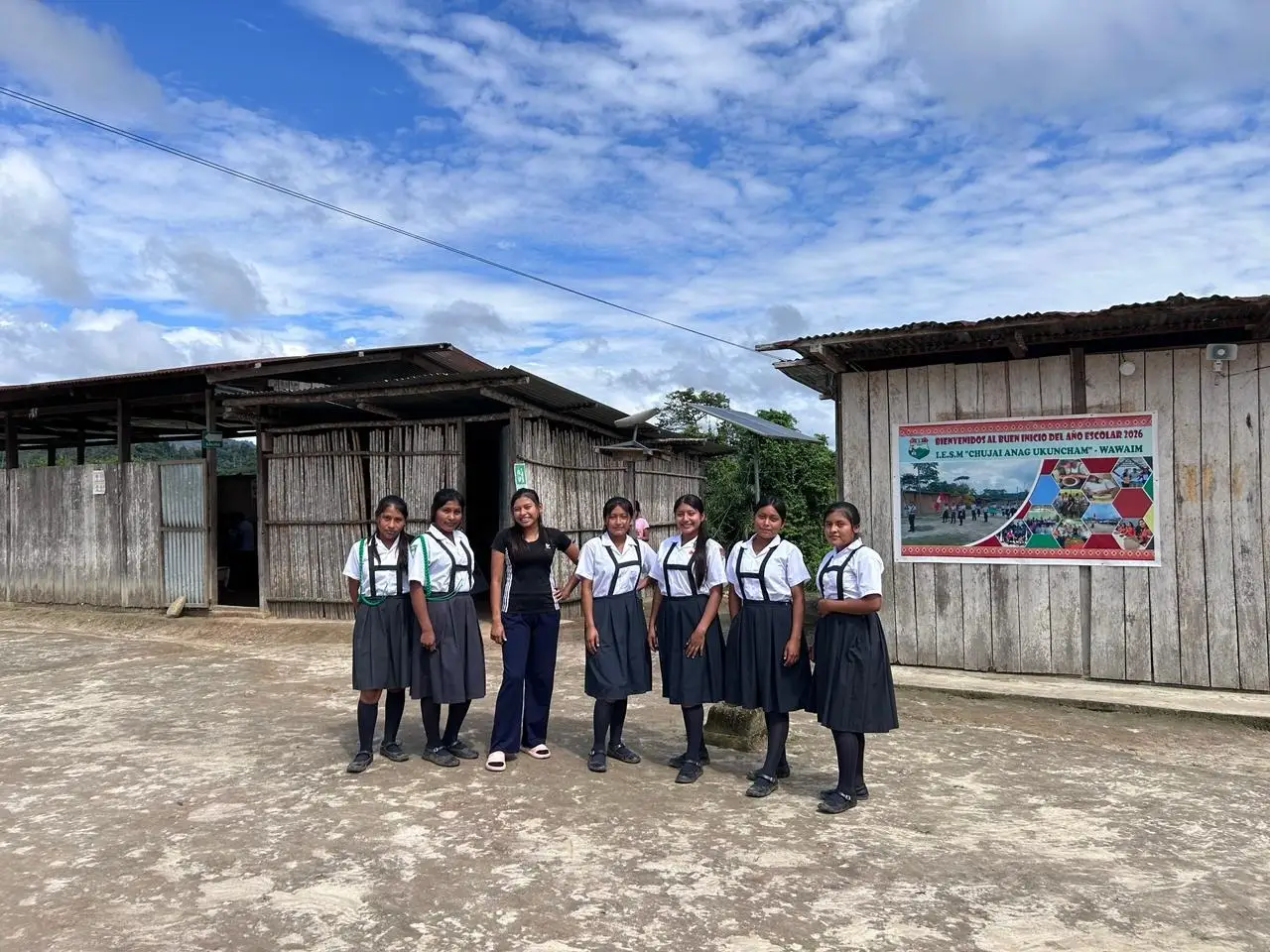
Table of Contents
One Connection Can Serve an Entire School
Starlink says it is working with Enseña Perú and BCP to bring reliable internet service to more than 30,000 students across 160 schools in underserved parts of Peru.
Thirty thousand students is a large number. What matters next is what those schools can do with the connection.
Home internet usually serves a handful of people. A school connection can support classrooms, teachers, administrators, digital lessons, staff training, research, and communication with regional officials.
For a school that has lived with slow or unreliable service, that can open access to materials and people that were previously difficult to reach.
It will not fix every disadvantage facing those students. It can remove one stubborn obstacle.
Remote Schools Are Expensive to Reach
Traditional broadband works best when many customers live close together. Dense neighborhoods can justify fiber, cable, towers, and local maintenance crews. Remote communities usually cannot offer those economics.
Some schools are separated from major towns by mountains, forest, desert, or simply long distances. Fiber is expensive to extend. Mobile coverage may be weak, and repairs can take time when roads and power service are limited.
Peru contains crowded coastal cities, Andean communities, and remote areas of the Amazon. No single terrestrial network can reach all of them with the same cost or speed.
A Starlink terminal does not need a cable running back to the nearest town. It needs electricity and a clear view of the sky, while the satellites and ground network handle the long-distance connection.
That makes satellite service practical in places where conventional providers have little reason to build.
Internet Service Does Not Guarantee Better Learning
A connected school is not automatically a better school.
Students need devices they can actually use. Teachers need training and materials that fit their classes. Someone has to repair equipment, manage security, and keep paying for service after the launch event is over.
Without that support, a fast connection can sit mostly unused.
Availability and daily use are different things. The project succeeds only when teachers and students can work the connection into ordinary lessons.
Good programs start with classroom needs, maintain the equipment, and track whether students gain access to courses, teachers, or materials they did not have before.
That is where Enseña Perú and BCP matter. A satellite company can provide bandwidth, but local education and financial partners are better placed to handle teacher support, funding, and coordination.
Starlink supplies the connection. Schools and local partners decide what it becomes.
Satellite Service Can Arrive Faster
The Peru project is also tied to SpaceX’s ability to keep launching satellites.
A recent Falcon 9 mission carried 24 more Starlink spacecraft from California. Launches like that add capacity and replace older satellites, which supports projects far from the launch site.
SpaceX builds and launches the spacecraft, Starlink operates the service, and local organizations bring the terminals into schools. That combination can move faster than waiting for fiber to reach every remote community.
In some places, satellite service may act as a bridge until terrestrial broadband arrives. Students still gain access during the years that construction might otherwise take.
Starlink will not always be the cheapest permanent answer. Capacity is shared, equipment needs maintenance, and monthly service has to remain affordable. Speed still matters when the alternative is no dependable connection for years.
The Useful Results Will Take Time to Measure
Counting terminals and connected schools is easy. Measuring whether students benefit is harder.
Useful data would include uptime, teacher use, student access, digital skills, attendance, and completion of online coursework. The partners should also track who gets time on the connection and whether students with fewer devices or additional accessibility needs are being left out.
A school can be online while inequality inside the classroom remains unchanged.
With 160 schools, the project gives the partners room to compare regions and support models. They can learn which training, equipment, and teaching practices turn a satellite connection into something students use.
Starlink’s contribution is basic but necessary: dependable access. The result that matters will be a student reaching a lesson, teacher, or opportunity that was previously unavailable because of geography.
The terminal starts the connection. The harder work happens in the classroom.
Source
- Starlink on X: https://x.com/Starlink/status/2068771628344066495
- SpaceX on X: https://x.com/SpaceX/status/2068763409940705752
- Starlink: https://www.starlink.com
- UNICEF and ITU Giga initiative: https://giga.global