

 由 Sherry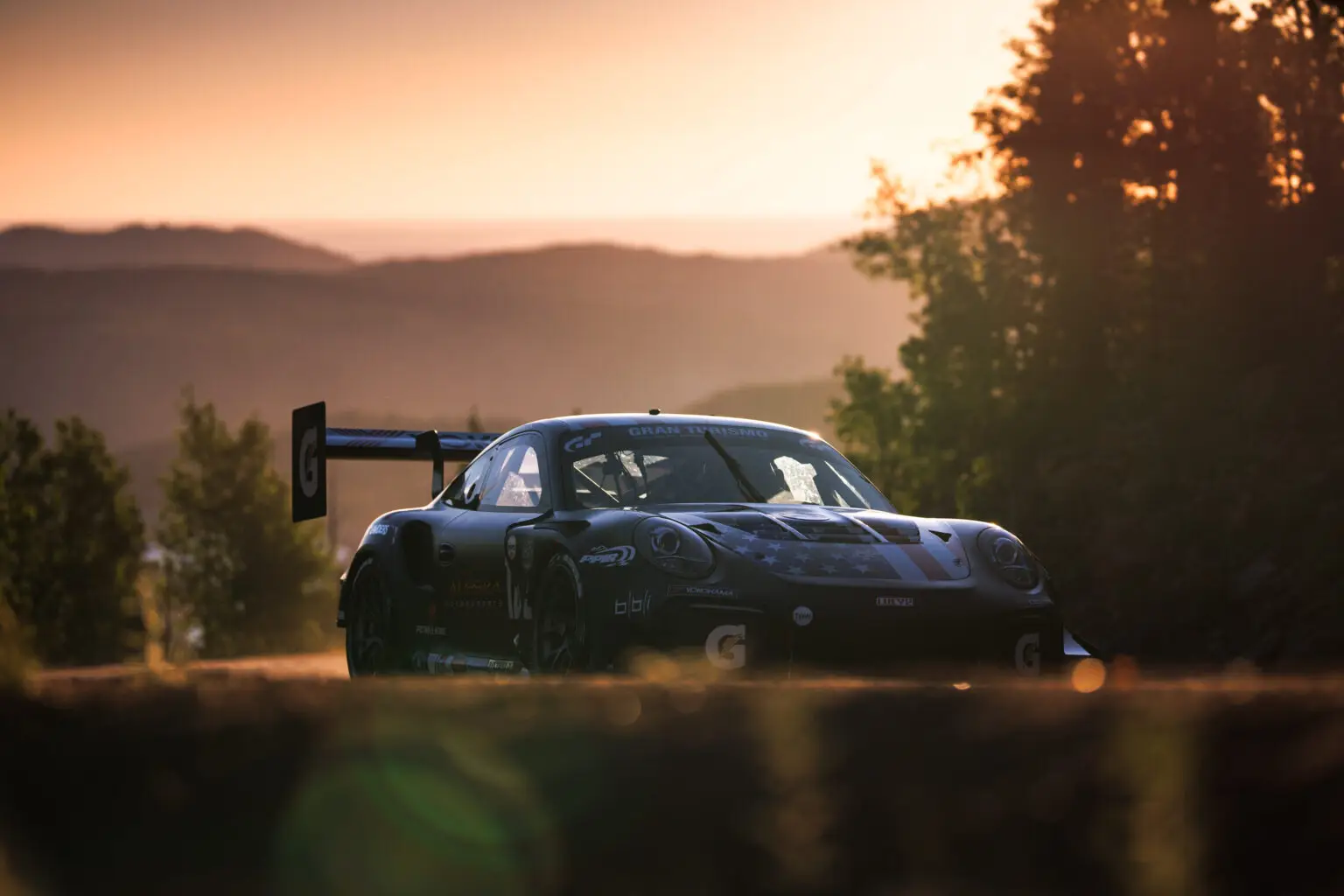
Table of Contents
EVs Swept the Top Four
Electric vehicles finished first through fourth overall at the 2026 Pikes Peak International Hill Climb. Romain Dumas won for Ford Performance in the Super Mustang Mach-E with a time of 8 minutes, 18.202 seconds.
Dumas beat Ford teammate and Pikes Peak rookie Will Martin by about six seconds. Laura Hayes finished third in the electric Sierra Echo Block Edition, and Meng Liyang took fourth in a Hyundai Ioniq 5 N TA Spec.
The win gave Ford and Dumas the result they missed in 2025, when the Super Mustang Mach-E crashed during its run.
It also added another example of a simple Pikes Peak reality: electric drivetrains lose less performance as the course climbs.
Thin Air Hurts Combustion Engines
The course covers 12.42 miles and 156 turns before reaching 14,115 feet above sea level. Air density falls throughout the climb.
Combustion engines need oxygen to burn fuel. With less oxygen entering the engine, power falls unless turbocharging and other systems compensate. The thinner air also changes cooling and aerodynamics.
Electric motors do not burn fuel, so they do not suffer the same altitude-related power loss. They can deliver strong torque from the start line to the summit without running short of oxygen.
The rest of the car still has a brutal job. Tires, brakes, batteries, inverters, and the driver all take heavy punishment. The electric drivetrain simply removes one problem that has challenged race cars on the mountain for decades.
That makes Pikes Peak a particularly good fit for instant torque, precise power control, and a motor that does not weaken with altitude.
Ford Built the Mach-E for This Mountain
The Super Mustang Mach-E shares little with the showroom crossover beyond its shape and name. It is a purpose-built hill-climb car.
It uses a lightweight carbon-fiber structure, a small high-performance battery, and three motors producing about 1,400 horsepower. The huge aerodynamic package can generate thousands of pounds of downforce.
The car needs that grip on a road filled with hairpins and exposed drops. It has to accelerate, brake, and change direction repeatedly while the surface and weather can shift during the run.
Using the Mustang Mach-E name gives Ford a way to associate electric power with outright speed, not only efficiency and lower emissions.
Returning after the 2025 crash mattered too. Ford and Dumas took a program that could have ended as an expensive failure and came back to win the event overall.
The Battery Is Still a Compromise
Electric motors like the altitude. Batteries still bring weight and heat.
More battery capacity provides more energy, but every extra cell adds mass that hurts acceleration, braking, and cornering. Engineers need enough energy to finish at full power without carrying range the car will never use.
Pikes Peak allows an extreme solution because the course is only about 12 miles. The car needs maximum output for a little more than eight minutes, not enough energy for a road trip.
Regenerative braking can recover some energy, but the motors, inverters, battery, brakes, and tires still create enormous heat. Cooling remains difficult even though the motor does not need oxygen.
The result should not be stretched into a claim that EVs are better in every form of racing. Endurance events, repeated fast laps, charging time, and vehicle weight create a different set of limits.
Pikes Peak happens to reward the things electric drivetrains do best.
What the Race Can Teach Road-Car Engineers
Racing is most useful when an extreme event exposes engineering problems quickly.
Pikes Peak pushes torque control, regenerative braking, thermal management, lightweight materials, aerodynamics, and software. A 1,400-horsepower race car will not hand its parts directly to a family crossover, but the work can improve simulations, controls, materials, and testing methods.
The race also gives electric cars an identity beyond range, charging, tax credits, and environmental arguments. They can simply be very fast.
The 2026 sweep does not erase the weaknesses of batteries. It shows that on a mountain where combustion engines lose oxygen and electric motors keep pulling, the physics strongly favors EVs.
At Pikes Peak, thin air takes power away from engines. Electric motors barely notice.
Source
- Pikes Peak International Hill Climb official 2026 results: https://ppihc.org/wp-content/uploads/2026-PPIHC-Competitor-Results.pdf
- Pikes Peak official competitor list: https://ppihc.org/competitors/
- Ford Mustang Mach-E: https://www.ford.com/suvs/mach-e/