

 由 Sherry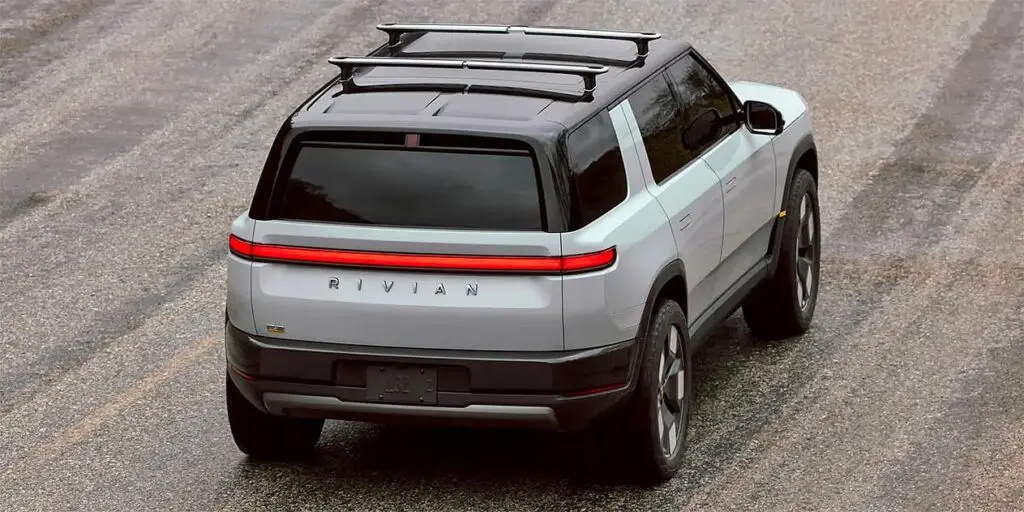
Table of Contents
Why Leasing Matters More Than MSRP
The Rivian R2 is supposed to be the vehicle that brings Rivian to a much larger audience. Its official starting price is $44,990, which makes it dramatically more approachable than the R1S and R1T. On paper, that looks like Rivian’s move into the mainstream EV crossover market.
But most buyers do not experience affordability through MSRP alone. They experience it through monthly payment.
That is why a Wall Street Journal story focused on Rivian R2 pricing and leasing matters. For EVs, leasing has become one of the most important adoption tools. It can soften high upfront costs, route federal incentives through lease structures, reduce customer anxiety about battery depreciation, and let buyers avoid long-term resale risk.
For R2, leasing may decide whether the vehicle feels like a realistic alternative to a Tesla Model Y or simply a smaller Rivian that still costs too much.
R2 Has to Fight the Model Y in Monthly Payments
The R2’s competition is not theoretical. The Tesla Model Y is the default electric crossover benchmark in the U.S. It benefits from manufacturing scale, aggressive pricing, access to Tesla’s charging network, software familiarity, and years of real-world consumer confidence.
Rivian has a different brand identity. R2 looks more outdoorsy, more characterful, and less common than a Model Y. It has Rivian design language, clever storage, a NACS port, Supercharger access, and a more adventure-oriented personality.
But if the monthly payment is too high, personality may not be enough.
A buyer comparing EVs may like Rivian more emotionally while still choosing Tesla financially. That is the danger. R2 can win hearts and still lose leases.
This is especially important because early R2 trims may transact above the headline starting price. If the first widely available versions are closer to premium pricing, Rivian will need attractive lease terms to keep the vehicle from drifting out of its intended market.
The Residual Value Problem
Leasing depends heavily on residual values. If lenders believe the vehicle will hold value well, monthly payments can be lower. If they fear depreciation, payments rise.
This is a challenge across the EV market. Used EV prices have been volatile as battery technology improves, incentives change, Tesla cuts prices, and new models arrive. That volatility makes leasing both attractive to consumers and risky for automakers.
Rivian faces a special version of this problem. The R2 is new, and the market does not yet know how it will depreciate. Rivian’s brand is admired, but it is younger than Tesla, Toyota, or Subaru. Service footprint, repair costs, insurance rates, production scale, and long-term reliability all influence residual assumptions.
If Rivian or its financing partners set conservative residuals, leases may look expensive. If they set aggressive residuals to boost adoption, Rivian could take financial risk later.
That is the quiet math behind the R2 launch.
Rivian Needs Volume Without Cheapening the Brand
Rivian has to thread a narrow needle. It needs R2 to sell in much larger numbers than R1 vehicles. It also needs to preserve the brand’s premium adventure identity.
Leasing can help because it can make the vehicle feel accessible without visibly cutting MSRP. Automakers often use lease support to manage affordability more quietly than price cuts. Buyers see a monthly payment; the brand keeps its sticker-price dignity.
But there is a limit. If Rivian subsidizes leases too heavily, it can pressure margins. If it does not support leases enough, R2 may fail to reach the buyers it was built for.
That balance is critical because Rivian is still working toward sustainable profitability. The company cannot simply buy market share forever.
The Real Test Is the First Payment Quote
The R2 has many strengths. It looks right-sized for the market. It has strong storage, rugged styling, NACS charging, and software ambitions. It gives Rivian a way to compete where the EV market is largest.
But the launch will become real when buyers see the payment quote.
If R2 leases land close enough to mainstream EV crossovers, Rivian could convert reservation interest into volume. If lease prices sit too high, the vehicle may remain aspirational, even with a sub-$45,000 starting MSRP.
That is why the leasing story matters. It is not a financing footnote. It is the bridge between Rivian’s brand promise and actual consumer adoption.
For R2, affordability will not be decided by the headline price. It will be decided at the dealership-style moment Rivian would rather avoid: when a buyer asks, “What will this cost me every month?”
Source
- Wall Street Journal: https://www.wsj.com/business/autos/rivian-r2-price-leasing-6261c8c8
- Rivian R2 official page: https://rivian.com/r2