

 由 Sherry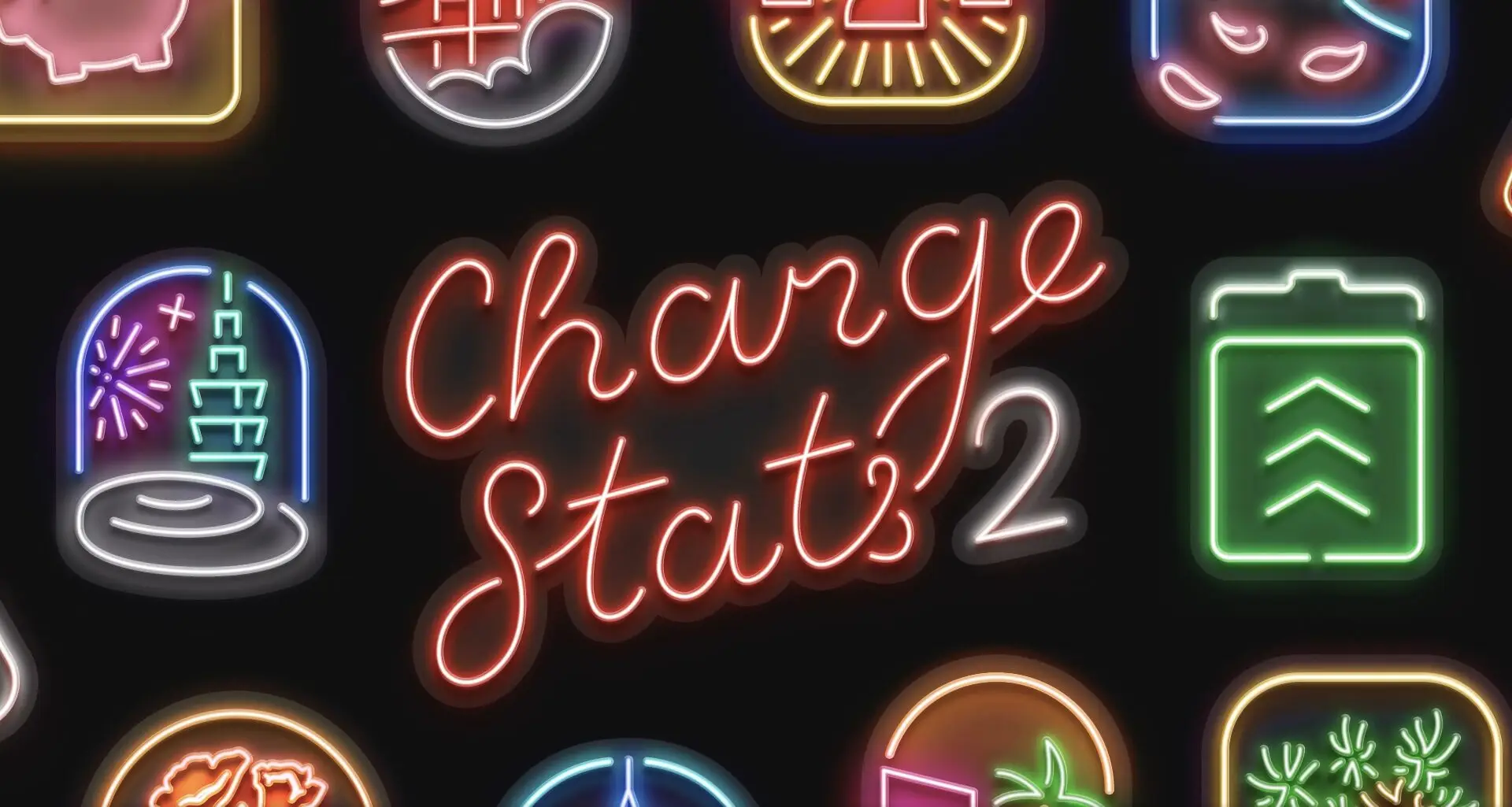
Table of Contents
Charging is becoming part of the app
Tesla’s latest charging update sounds playful at first. The company says Charge Stats 2 lets owners see road trips on a map, celebrate charging milestones, and earn badges for visiting notable Superchargers. Another Tesla-focused post highlighted a 2026 Free Supercharging Competition that will give nine outstanding Supercharger users free charging for as long as they own their Tesla vehicle.
It would be easy to call this gamification fluff. That would miss the point. Tesla is taking a required EV behavior, stopping to charge, and making it part of the ownership experience.
Most charging networks still act like utilities. They offer locations, plugs, payment, and an app drivers often open only when something goes wrong. Tesla treats charging differently. It connects the charger to the same digital relationship that already includes vehicle controls, trip planning, service, energy data, and software updates.
Why badges are not as silly as they look
Badges work because they make behavior visible. A driver may already know they took a long trip, charged at a scenic stop, or relied mostly on home charging. Once those moments show up in the app, they become part of the owner’s Tesla history.
That can help retention. A car usually loses value over time. A digital account can hold trips, habits, milestones, and a sense of identity. Tesla owners already share delivery photos, range stats, road-trip screenshots, and software features online. Charging badges fit the same habit.
The effect may be small for one driver, but it adds up across a network. If owners start seeking specific Superchargers, comparing stats, or joining annual contests, Tesla gets more than engagement. It gets route data, station preference data, congestion signals, and a better sense of which locations people care about.
The free Supercharging contest changes the incentive
The reported 2026 Free Supercharging Competition is interesting because it turns network use into status. Tesla says it will name nine outstanding Supercharger users from 2026 in January 2027 and give them free Supercharging for their Tesla vehicle for as long as they own it.
That is not a normal discount. It is a contest built on top of infrastructure. The prize is practical, but the hook is social. It nudges drivers to see Supercharging as something they participate in, not just something they consume.
There is a risk. If the incentives push people to use public chargers when they do not need to, congestion could get worse. Tesla will need rules that reward useful behavior rather than wasted sessions. Even so, the idea is smart: use the charging network itself as a brand platform.
Tesla has the data advantage
Tesla has an advantage most charging companies do not have. It controls the car, the app, the navigation system, and much of the charging network. That lets it connect charging behavior to trip planning, battery state, location, route choice, and ownership history.
For drivers, that can make charging feel easier. The car knows where to go, the charger recognizes the car, billing happens quietly, and the app can summarize the trip later. For Tesla, it creates a feedback loop. The company can see which stations matter, where drivers detour, how often owners take road trips, and where future capacity may be needed.
That data loop is one reason Tesla’s charging business is hard to copy. Reliable hardware matters, but the software relationship matters too. A charging stall becomes more valuable when it is tied to navigation, payment, owner identity, rewards, and network planning.
What other charging networks should notice
The lesson for the rest of the industry is not that every app needs badges. Bad gamification can feel cheap. The lesson is simpler: charging is an experience, and that experience affects whether people feel comfortable owning an EV.
New EV buyers often worry about charging before they worry about battery chemistry. They ask whether stations will work, whether road trips will be stressful, and whether the car will fit their routine. Tesla answers those concerns partly with infrastructure and partly with confidence. A map of road trips, a record of charging milestones, and a familiar Supercharger network all tell the owner that this is normal now.
That matters. EV adoption does not grow only because specs improve. It grows when the daily habits around the car feel familiar, easy, and worth repeating.
Tesla’s Charge Stats 2 and Supercharging contest may look minor next to robotaxis, FSD, or new vehicle platforms. But they show a familiar Tesla move: turning physical infrastructure into software engagement. Charging is not just energy delivery anymore. It is a product surface, a loyalty tool, and a data source.
If other networks want to compete, uptime and coverage are only the start. The next fight is whether charging feels like a chore or like a feature.
Source
- Tesla X post on Charge Stats 2 and charging badges: https://x.com/Tesla/status/2069480972073201985
- Sawyer Merritt X post on Tesla 2026 Free Supercharging Competition: https://x.com/SawyerMerritt/status/2069425040785911842
- Tesla Supercharger page: https://www.tesla.com/supercharger
- Tesla app support page: https://www.tesla.com/support/tesla-app
- X trending page included by user: https://x.com/i/trending/2069433532813127934