

 由 Sherry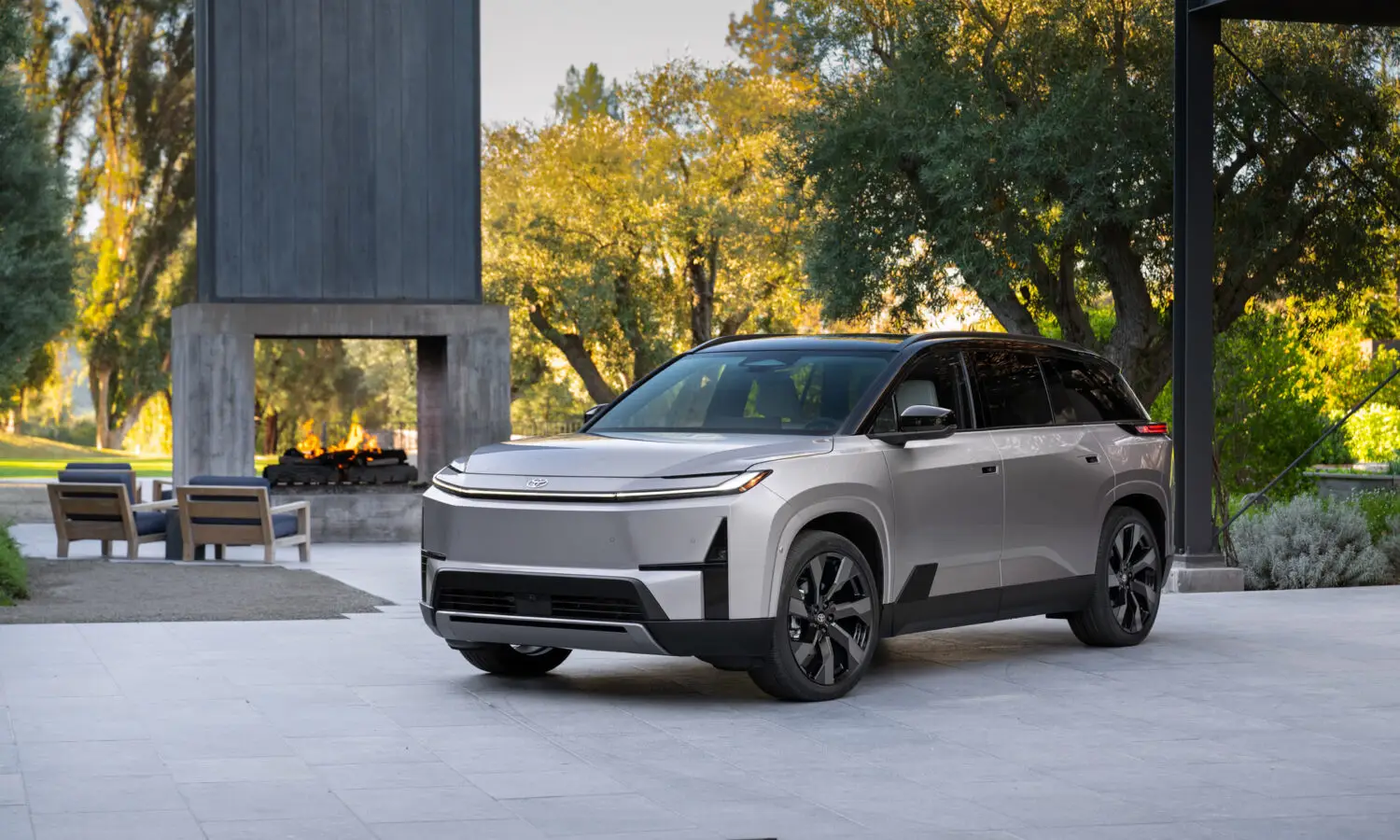
Table of Contents
Toyota Electrified the Name Buyers Already Know
The 2027 Toyota Highlander is the first fully electric Highlander and Toyota’s first U.S. battery-electric vehicle with three rows of seating. That makes it important for more than its battery or range figures.
Toyota is using one of its most recognizable family-SUV names to introduce a larger electric vehicle. Instead of asking mainstream buyers to learn another unfamiliar EV badge, the company is attaching battery power to a vehicle identity built over decades.
That strategy matters because many consumers are not looking for an “EV lifestyle.” They want a practical family vehicle that happens to be electric. The Highlander name already communicates three-row utility, everyday comfort, and Toyota ownership expectations.
The new model is not simply a gasoline Highlander with batteries installed underneath. Toyota says it uses a dedicated battery-electric platform and features a low, sleek exterior with styling distinct from the conventional Highlander. Yet the familiar name lowers the psychological distance between old and new technology.
Toyota appears to be betting that electrification becomes easier when the product still fits an established role.
Two Battery Choices Match Two Family Priorities
Toyota plans two battery options.
The standard 77-kWh battery is expected to deliver about 270 miles of manufacturer-estimated range. A larger 95.8-kWh battery is expected to reach approximately 320 miles. Front-wheel drive and all-wheel drive will be available, with output ranging from an estimated 221 horsepower to 338 horsepower depending on configuration.
These choices reflect two different buyer priorities.
Some families need enough range for commuting, school runs, errands, and occasional trips without paying for the largest battery. Others want more road-trip margin, especially in winter, at highway speeds, or when charging opportunities are uncertain.
Offering two packs can make the vehicle more accessible while avoiding a one-size-fits-all design. A smaller battery generally reduces cost and weight. A larger battery provides flexibility but uses more material and may take longer to recharge.
Toyota has not yet released final pricing, so the real value of this strategy will depend on how much the larger pack costs and which trims receive it.
Charging Access Matters as Much as Range
The electric Highlander will use the North American Charging System port and can access Tesla Superchargers. Toyota also says Plug & Charge capability will allow compatible chargers to recognize the vehicle and handle payment without requiring a separate card or app session.
This may be more important to families than a small difference in acceleration.
A three-row SUV is likely to be used for trips involving children, luggage, schedules, and limited patience. Charging must be easy to locate and dependable. NACS access gives the Highlander entry to a large established fast-charging network rather than forcing owners to plan around a narrower group of stations.
Toyota estimates that the larger battery can charge from 10% to 80% in about 30 minutes under ideal conditions. That is workable when paired with reliable station access, battery preconditioning, and in-car charging navigation.
The Cabin Treats Software as Family Equipment
The Highlander’s interior includes three rows, seven seats, and more than 120 cubic feet of maximum cargo volume with the rear seats folded. Toyota says the third row can accommodate adults, addressing a common weakness in many midsize three-row vehicles.
The technology package is equally significant. A 14-inch multimedia touchscreen is standard, along with a 12.3-inch digital gauge cluster. The system supports wireless Apple CarPlay and Android Auto, dual Bluetooth phone connections, over-the-air updates, and voice controls.
Toyota also includes two wireless phone chargers and up to six USB-C ports. Those details may sound ordinary, but they matter in a family vehicle where several passengers bring devices.
Safety Sense 4.0 will be standard, adding Toyota’s latest driver-assistance package. The vehicle also offers an optional head-up display and automated parking support.
The Real Test Is Whether It Still Feels Like a Highlander
The electric Highlander will be manufactured in Kentucky and is expected to reach U.S. dealerships in late 2026. Final pricing and official EPA ratings will determine how competitive it is.
Buyers will expect the space, comfort, reliability, and low-friction ownership associated with the Highlander name, along with modern charging, useful range, and competent software.
Toyota does not need the electric Highlander to be the most radical vehicle in its class. It needs it to make electric family transportation feel dependable and familiar.
That may be the smarter route to mass adoption. The next wave of EV buyers may not want to join a revolution. They may simply want their next Highlander to plug in.
Source
- Toyota USA Newsroom, 2027 Highlander vehicle page: https://pressroom.toyota.com/vehicle/2027-toyota-highlander/
- Toyota USA Newsroom, all-new 2027 Highlander announcement: https://pressroom.toyota.com/reimagined-recharged-and-ready-to-roll-the-all-new-2027-toyota-highlander/