

 由 Sherry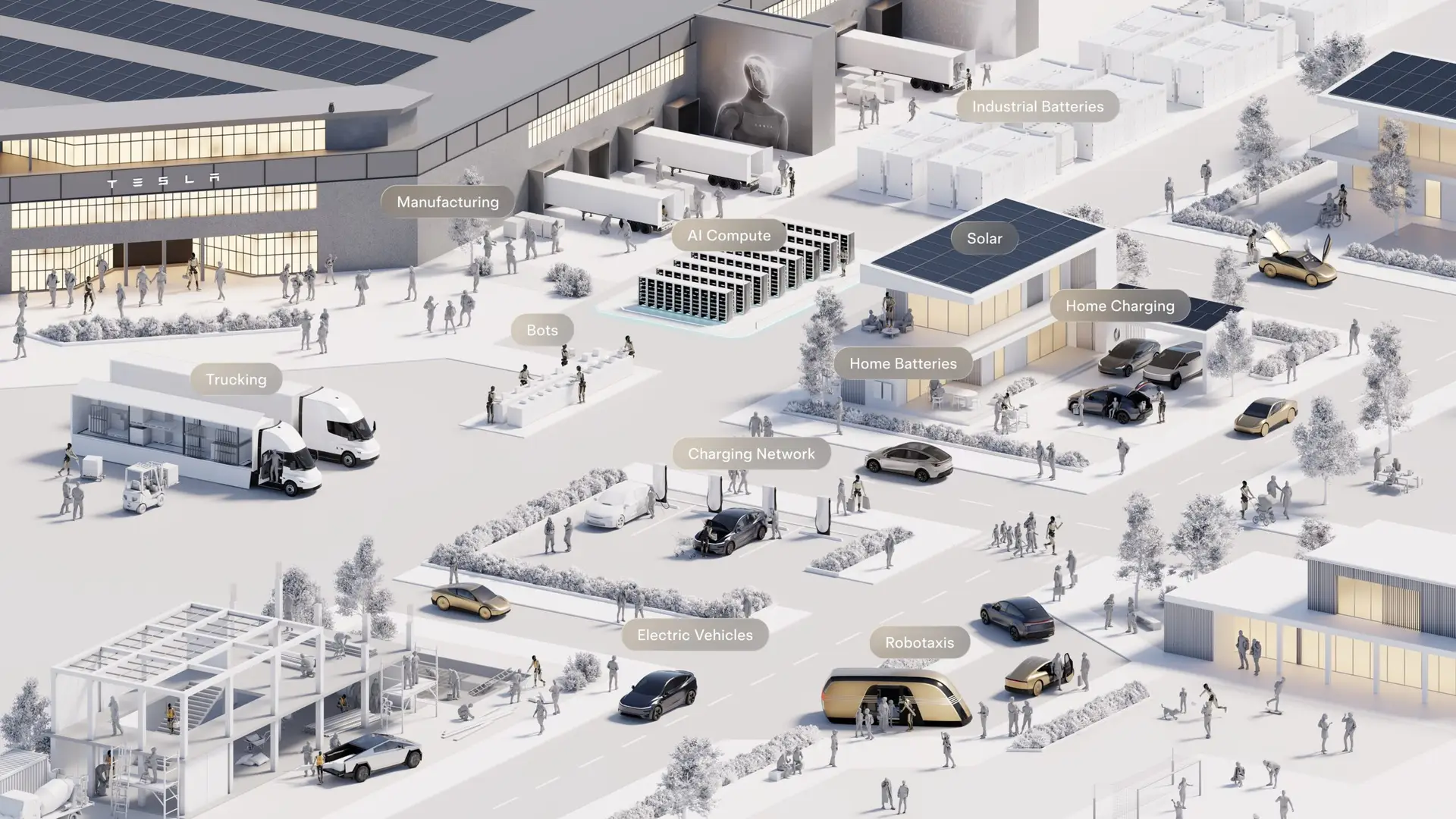
Table of Contents
Tesla won its original argument
Tesla marked its 23rd anniversary by returning to an early claim: an electric car should compete with the best cars available, rather than receive credit simply for being electric.
That idea once looked unlikely. Early EVs were often short-range compliance cars, and high battery costs and limited charging made mass adoption uncertain. Tesla started with a low-volume sports car before Model S, Model 3 and Model Y brought electric propulsion into the mainstream market.
Tesla says more than 9 million of its vehicles are now on the road. It also points to Model Y’s period as the world’s best-selling vehicle, five Gigafactories, other plants across three continents and more than 80,000 Supercharger connectors.
The company has not won every market or fixed every weakness. It has, however, demonstrated that electric cars can be fast, practical and desirable while being produced in very large numbers.
Tesla now has to decide what kind of company it becomes after that success.
Scale changed the company
Tesla’s industrial system matters as much as any individual model. The company coordinated batteries, power electronics, software, factories, direct sales, service and fast charging to support the vehicles.
That structure gave Tesla unusual control over ownership. Cars receive remote updates, route through company-operated chargers and return data throughout their lives. Traditional manufacturers often left much of the customer relationship to dealers and fuel companies. Tesla connected the car, app and charging network more directly.
Its factories also became part of product strategy. Production in North America, Europe and China reduced some shipping costs and placed vehicles closer to major markets. The Gigafactory label helped connect manufacturing scale with Tesla’s public identity.
Large-scale manufacturing also creates rigidity. Millions of vehicles require consistent quality, service capacity and predictable model cycles. Changes that are routine in an app can be disruptive when applied to hardware on public roads.
The fleet became a distribution channel
Tesla now describes autonomy and robots as its next phase of physical AI. Its cars provide cameras, computing hardware, road data and a way to distribute new driving software.
Nine million vehicles create a large installed base. Compatible cars can receive software without waiting for another model year, paid features can generate revenue after sale and fleet data can support development.
That reach does not prove that unsupervised autonomy is ready. Hardware differs by generation, approval varies by country and FSD (Supervised) still leaves responsibility with the human driver.
Tesla benefits from millions of connected machines operating in public. It also risks presenting future capability as inevitable before the evidence supports it.
Physical AI needs stronger proof
A software error may be irritating in an app and dangerous in a two-ton vehicle or humanoid robot. Physical AI has to interpret unpredictable surroundings, stay within firm limits and fail safely.
Repeatability therefore matters more than a polished demonstration. Autonomous cars must handle emergency vehicles, poor visibility and strange road behavior. A useful robot must perform ordinary tasks for long periods, not complete one selected sequence on camera.
Tesla’s manufacturing experience may help reduce component cost, design products for assembly and maintain large hardware fleets. Those skills are relevant to physical AI.
The company still needs to state clear boundaries between current features and future plans so customers, regulators and investors can tell them apart.
The next milestones will be operational
Tesla’s early record can be counted in cars, factories, chargers and batteries. Autonomy and robotics will be judged differently: safe rides completed, useful work performed and systems operating reliably over time.
The anniversary figures show that Tesla can turn a disputed idea into industrial scale. They do not guarantee the same result for every new project.
Tesla no longer has to prove that an electric car can be excellent. It now has to expand into autonomy, robots and energy without losing discipline in the vehicles and services customers already use.
Source
- Tesla 23rd-anniversary post: https://x.com/Tesla/status/2072376916682903940
- Tesla About: https://www.tesla.com/about
- Tesla Manufacturing: https://www.tesla.com/manufacturing
- Tesla, 1 Million Powerwalls Installed Worldwide: https://www.tesla.com/learn/1-million-powerwalls-installed
- Tesla Support, Supercharging: https://www.tesla.com/support/charging/supercharging