

 由 Sherry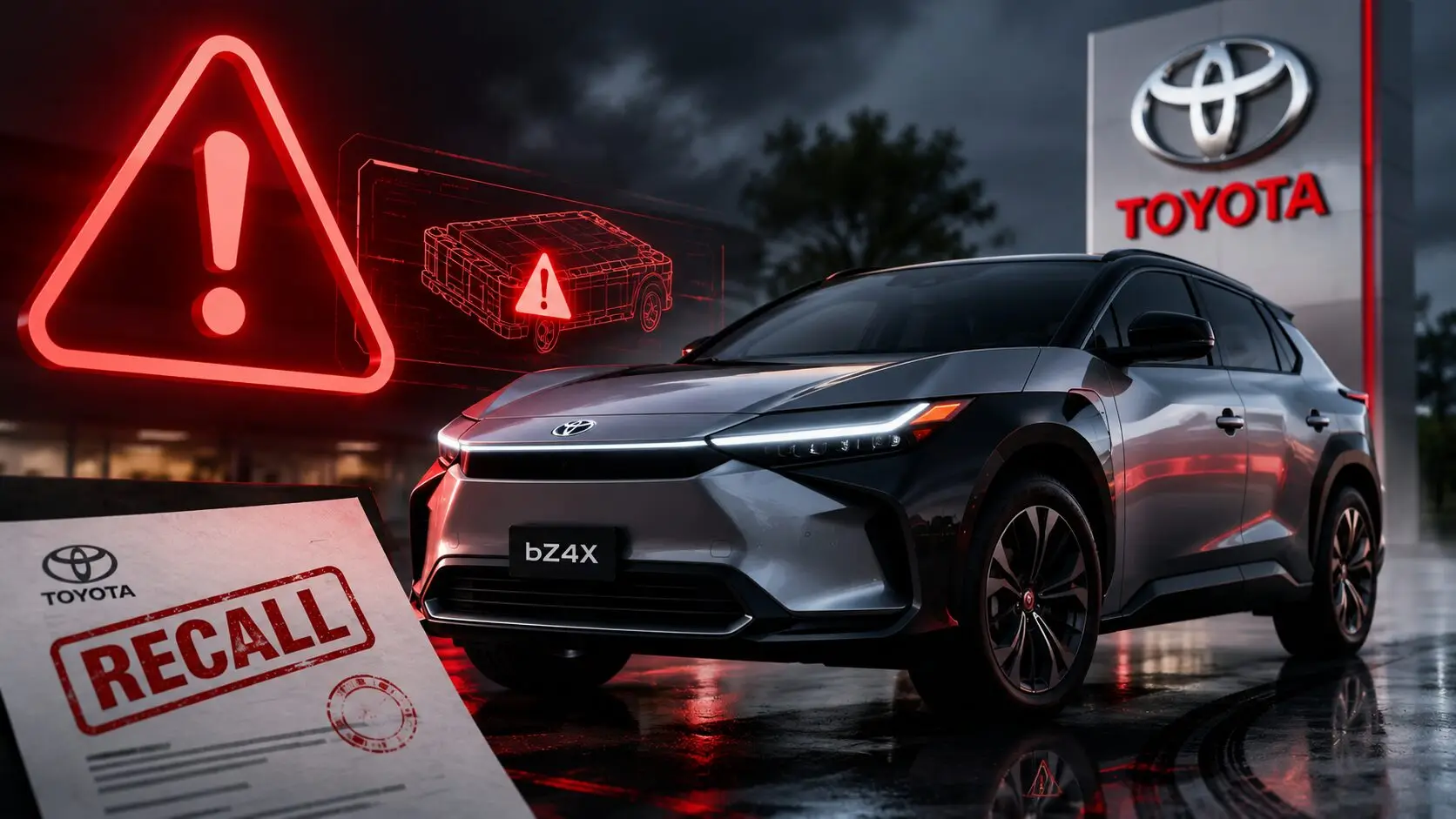
Table of Contents
A recall about a software-controlled failure
Electrek reported on X that Toyota is recalling 20,991 e-TNGA EVs, including the Toyota bZ, Lexus RZ, and Subaru Solterra, over a faulty battery ECU that could cause sudden loss of power. The post said dealers will manually install a free software update after owner notification letters go out on August 3.
The recall matters because it touches one of the most sensitive parts of EV trust: propulsion power. Drivers can live with infotainment bugs or app glitches. Sudden loss of power is different. It raises immediate safety and confidence concerns.
It also shows how much modern vehicle reliability now depends on software-controlled systems that customers never see.
That is a cultural shift for automakers with long mechanical reputations. A brand known for durable engines and transmissions now has to prove its battery control software is just as dependable.
Why A Battery ECU Matters
An EV battery is more than a large energy box. Electronics monitor and manage voltage, temperature, charging, discharge behavior, fault conditions, and system protection. If the control logic misbehaves, the driver can experience a serious issue even if the physical battery cells are not the root cause.
That is why battery ECU recalls matter. They remind buyers that EV quality includes control software, diagnostics, validation, and update processes, along with range, charging speed, and battery chemistry.
As vehicles become more software defined, mechanical reliability and software reliability are harder to separate.
For customers, that distinction barely matters. If the car loses power, the owner does not care whether the cause is code, calibration, a sensor, or a physical component. They care that the vehicle is safe and that the fix is easy to complete.
Toyota’s EV Challenge Is Bigger Than One Recall
Toyota has a strong reliability reputation, but its battery-electric rollout has been cautious and has drawn criticism for moving slowly. The bZ4X, Lexus RZ, and Subaru Solterra share platform roots, so one technical issue can affect several brands and models.
Platform sharing is normal in the auto industry. It lowers development cost and helps related vehicles reach market faster. It also means defects can travel across nameplates.
For Toyota, the recall does not erase its reputation. Recalls happen to every automaker. The more relevant question is how quickly and clearly the company handles the fix, and whether buyers feel the EV program is improving.
Manual Dealer Updates Feel Old-Fashioned
The reported fix involves dealers manually installing a free software update. That may be normal for many automakers, but it highlights the gap between traditional service models and the expectations Tesla helped create.
Over-the-air updates have changed what many EV buyers expect. If a problem is software-related, they increasingly wonder why the fix cannot arrive directly to the vehicle.
Dealer-installed updates can still be appropriate, especially when safety validation, diagnostics, or regulatory procedures require controlled service. But they are less convenient, and they can make a software issue feel heavier than it needs to be.
This is one reason EV buyers now compare brands by update capability. A strong over-the-air system does not prevent every recall, but it can reduce the inconvenience when the remedy is software-based.
EV recalls now carry a higher communication burden
The public will not judge EV recalls only by defect counts. It will judge automakers by transparency, speed, inconvenience, and whether the fix feels modern.
That puts pressure on legacy automakers. They need strong battery engineering, software validation, and update infrastructure. They also need to explain the risk clearly without minimizing it.
Toyota’s e-TNGA recall reaches beyond Toyota. It is a reminder that EV trust is built after the sale. The customer relationship continues through software updates, recalls, diagnostics, and support.
Automakers that handle those moments well will make EV ownership feel dependable. Those that treat software fixes like old service paperwork may struggle with the expectations of the next car market.
For Toyota, the best outcome is a quick, clear fix that reassures owners and shows the company can respond in the software era. The recall itself is not fatal. A slow or confusing response would be more damaging.
Source
- Electrek X post on Toyota e-TNGA EV recall: https://x.com/ElectrekCo/status/2070200307494133772
- NHTSA recalls search page: https://www.nhtsa.gov/recalls
- Toyota recall lookup page: https://www.toyota.com/recall
- Lexus recall lookup page: https://www.lexus.com/recall
- Subaru recalls page: https://www.subaru.com/recalls.html