

 由 Sherry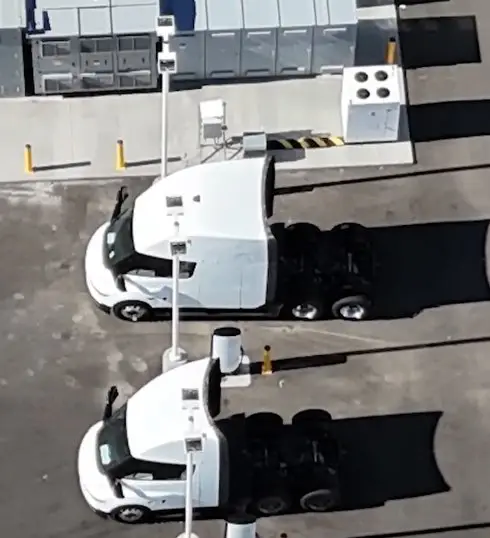
Table of Contents
The less dramatic Semi may be the more useful one
Tesla Semi headlines usually focus on the 500-mile Long Range version. That makes sense. Range is the emotional benchmark for electric freight. But Sawyer Merritt’s post comparing the Long Range Semi with a shorter Standard Range version suggests the lower-range truck may matter just as much.
The post describes the Standard Range Semi as offering 325 miles, sharing a turning radius with a Model S, weighing under 20,000 pounds, and fitting local or city delivery work. Those details point to a specific use case: repeatable routes where trucks return to base, charge on a schedule, and do not have to solve every long-haul problem.
That is probably where electric trucking wins first.
Fleets do not adopt new equipment because a spec sheet is exciting. They adopt it when the vehicle fits the route, the economics are predictable, and drivers can work without extra friction. The Standard Range Semi appears aimed at that practical middle ground.
Vehicle Dynamics Matter In Freight
Dan Priestley’s post about Tesla Semi Vehicle Dynamics Control adds another layer. He described high-resolution sensing and precise multi-motor controls developed in-house, saying the Semi can provide torque and stability on difficult winter surfaces.
In passenger cars, dynamics are often discussed as fun. In trucks, they are operational. Stability, traction, braking control, and predictable torque delivery affect safety, uptime, driver confidence, and cargo protection.
An electric powertrain can respond quickly and distribute torque precisely, but it still has to be tuned for freight work: heavy loads, slippery roads, hills, depot maneuvering, and emergency stops.
California Incentives Change The Math
Tesla Semi’s own X account highlighted California incentive programs, including the Clean Truck and Bus Voucher Incentive Program, which it said can provide $120,000 off each Semi for up to 20 trucks, along with California Clean Fuel Rewards.
In heavy-duty trucking, incentives can make or break the business case. A fleet manager is not buying an EV because it feels futuristic. They are modeling purchase cost, fuel savings, maintenance, charging infrastructure, payload, downtime, residual value, and regulatory risk.
If incentives lower the upfront cost, the case can move from interesting to financeable, especially for fleets already running predictable routes in California.
The timing matters too. California keeps pushing cleaner freight through policy, port rules, and local air-quality pressure. A fleet that waits too long may face regulatory and reputation costs, while early adopters can use incentives to lower risk.
Local Delivery Is A Better First Market
The Standard Range Semi fits local electrification better than it fits the romance of cross-country trucking. City and regional delivery routes often have known distances, scheduled stops, and overnight depot time. Charging can be centralized. Drivers return to the same base. Maintenance can be planned around route cycles.
That is very different from open-ended long-haul work, where route flexibility, public charging access, weather, payload, and timing are harder to control.
A 325-mile electric Semi does not need to beat diesel everywhere. It needs to beat diesel where its strengths are clear: low-speed torque, regenerative braking, lower fuel cost, reduced local emissions, and predictable depot operation.
Fleet confidence is the test
Tesla still has to prove production scale, service support, charging infrastructure, and total cost of ownership. Strong specs do not automatically convert freight operators. Fleets want repeatability.
But the pieces are lining up. A local-delivery configuration, strong vehicle dynamics, and large California incentives create a clearer path than broad claims about replacing all trucking overnight.
The Semi story may become more persuasive as it becomes less theatrical. Electrifying freight is not about replacing every diesel route at once. It is about finding the routes where electric trucks already make sense, then expanding from there.
That is why the Standard Range version deserves attention. It targets the part of freight where electrification can be routine, repeatable, and financially rational.
Source
- Sawyer Merritt X post on Tesla Semi Long Range and Standard Range size difference: https://x.com/SawyerMerritt/status/2070225244443275399
- Dan Priestley X post on Tesla Semi Vehicle Dynamics Control: https://x.com/danWpriestley/status/2070248859981496645
- Tesla Semi X post on California incentive programs: https://x.com/tesla_semi/status/2070312209608274397
- Tesla Semi page: https://www.tesla.com/semi
- California HVIP program: https://californiahvip.org/