

 由 Sherry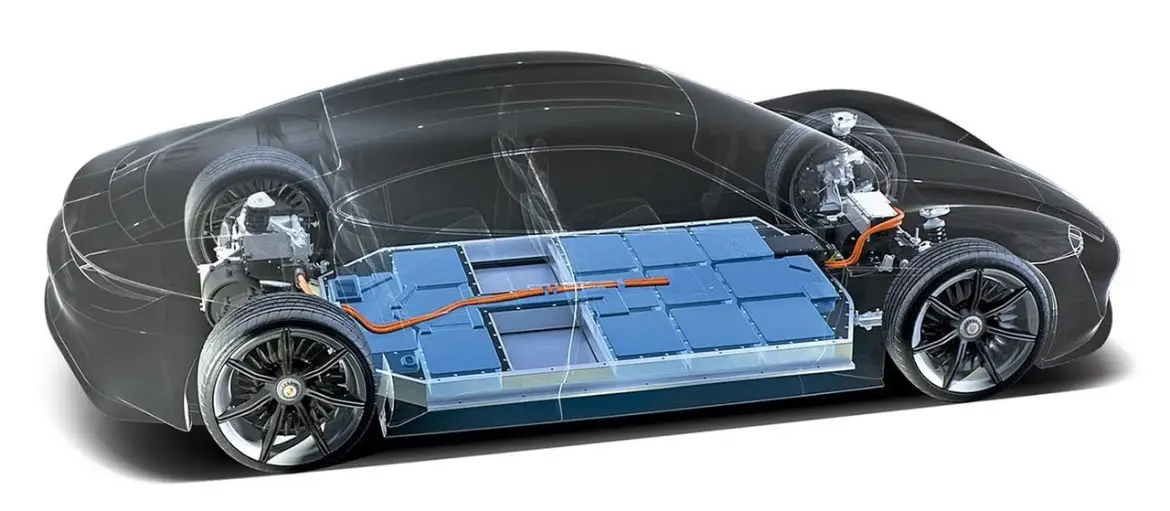
Table of Contents
Why Battery Health Affects Trade-In Value
The battery is the most expensive and most misunderstood part of an EV. A buyer or dealer wants to know more than whether the car runs. They want to know whether usable range is still strong, whether the battery is under warranty, and whether the car has warning signs that could lower resale confidence.
Mileage still matters, but it does not tell the whole story. A high-mileage EV with stable range, clean service history, and mostly moderate charging may be easier to value than a low-mileage EV with missing records and unclear battery behavior.
The goal is simple: reduce uncertainty before someone else uses uncertainty to lower the offer.
State of Health Is Useful but Not Perfect
State of health, often shortened to SOH, is a way of describing how much useful battery capacity remains compared with when the battery was new. It can be reported by some vehicle systems, dealer diagnostics, or third-party tools.
SOH is helpful, but it is not always a universal measurement. Automakers do not all expose the same data in the same way. Some reports estimate capacity from driving and charging behavior. Others rely on battery management system data. A single percentage can be useful, but treat it as one piece of evidence.
If a dealer or buyer accepts a battery report, keep a dated copy. If your car does not show SOH clearly, gather the next-best evidence: range history, service records, charging habits, and warranty documents.
Check Warranty Before You Check Offers
Battery warranty status can strongly affect buyer confidence. The U.S. Department of Energy’s Alternative Fuels Data Center notes that several manufacturers offer 8-year/100,000-mile battery warranties, but exact terms vary by brand and model.
Before trade-in, collect:
- In-service date.
- Current mileage.
- Battery warranty expiration date.
- Capacity warranty threshold, if listed.
- Any warranty repairs or battery-related service visits.
- Transferability rules.
If the vehicle is close to warranty expiration, expect buyers to price that risk. If it has years of warranty left, make that easy to see in your listing or negotiation.
Charging History Tells Part of the Story
Charging habits affect battery life, though they are not the only factor. Climate, chemistry, thermal management, usage pattern, and software also matter.
If you can document charging behavior, do it. Useful details include whether the vehicle was mostly home charged, how often it used DC fast charging, whether it was regularly charged to 100 percent, and whether it sat for long periods at very high or very low state of charge.
Do not overstate precision. Most private owners cannot produce a perfect charging log. But even a simple, honest summary can help a buyer understand how the car was used.
Use a Real-World Range Check Carefully
A range check can help, but it must be interpreted carefully. Range changes with temperature, speed, tires, wind, elevation, climate control, and driving style. A cold-weather highway drive is not comparable to a mild city route.
A practical check:
- Charge to a normal high state of charge.
- Record outside temperature, tire pressure, and wheel/tire setup.
- Drive a repeatable route at normal speeds.
- Record miles driven, energy used, and remaining battery percentage.
- Compare results with your own historic data, not only the original EPA rating.
- Do not present one drive as laboratory proof. Present it as useful evidence that the vehicle still behaves predictably.
What to Bring to the Dealer or Buyer
Bring a small battery-health packet:
- Current odometer photo.
- Warranty document or warranty status screenshot.
- Service history.
- Any battery-health or diagnostic report.
- Charging cable and adapter inventory.
- Photos of charge-port condition.
- Notes on typical real-world range.
- Tire condition and alignment history.
- Software version or update history, if relevant.
If the car has a clean battery story, make it easy to see. A dealer may still use its own valuation tools, but private buyers and smaller dealers may respond to clear documentation.
Battery health is not a mystery to fear. It is a condition to document.
Source
- U.S. Department of Energy Alternative Fuels Data Center, Electric Vehicle Benefits and Considerations: https://afdc.energy.gov/fuels/electricity-benefits
- U.S. Department of Energy Alternative Fuels Data Center, Batteries for Electric Vehicles: https://afdc.energy.gov/vehicles/electric-batteries
- FuelEconomy.gov, All-Electric Vehicles: https://www.fueleconomy.gov/feg/evtech.shtml