

 由 Sherry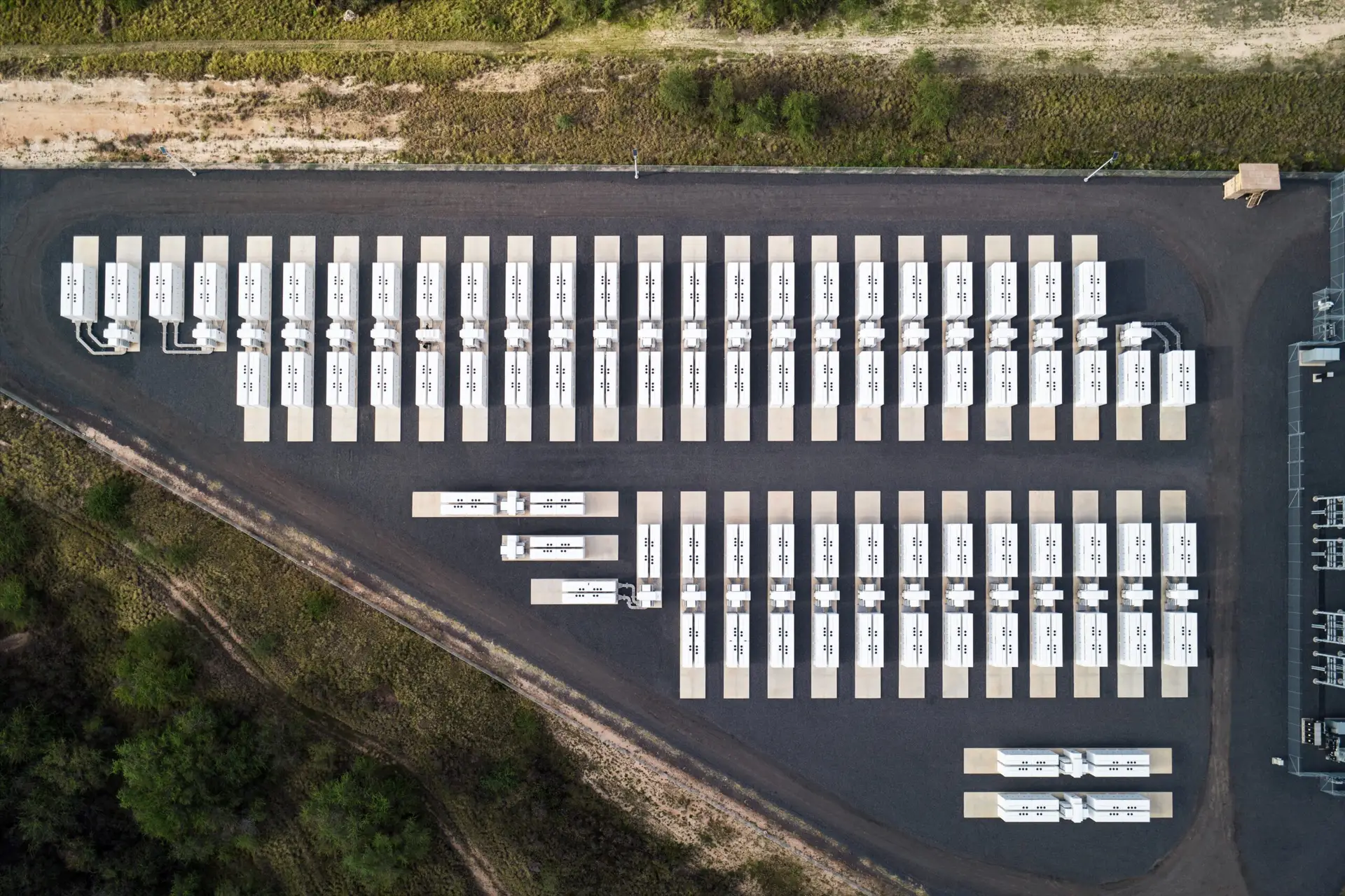
Table of Contents
Two announcements, one energy strategy
Two recent Tesla Energy posts point toward the same bigger story. Sawyer Merritt reported that Tesla partnered with GIGA Storage on an estimated $700 million Megapack battery energy storage facility in Belgium, intended to help power 385,000 homes and use Tesla’s next-generation Megablock technology with Megapack version 3. A separate post described a Tesla, Sunrun, and Renew Home partnership to build what was described as a 16 GW distributed power plant in the U.S.
One project is centralized and industrial. The other is spread across homes and connected devices. Together, they show why Tesla Energy is becoming more important to Tesla’s overall story. The company is not only selling batteries. It is trying to build layers of grid flexibility.
Megablock makes utility storage more modular
Grid-scale batteries are becoming important as electricity demand rises and renewable generation grows. Solar and wind are valuable, but they do not always produce exactly when the grid needs power. Batteries can absorb energy when supply is abundant and release it during peak demand or grid stress.
Megapack has been Tesla’s utility-scale storage product for years. The reported Belgium project is notable because it points to Megablock and Megapack version 3, suggesting a more integrated, modular approach to large battery installations. The value is speed and repeatability. Utilities and developers want projects that can be permitted, installed, and managed without reinventing the design every time.
Belgium is also an interesting location because Europe is working through energy security, renewable integration, and grid modernization at the same time. A large storage installation can support reliability while reducing dependence on fossil peaker plants.
Distributed power plants turn homes into grid assets
The U.S. partnership with Sunrun and Renew Home points in the opposite physical direction but the same strategic direction. Instead of one large site, a distributed power plant aggregates capacity from many smaller assets: home batteries, solar systems, smart thermostats, electric vehicles, and other connected devices.
The reported 16 GW figure is large because distributed capacity can behave like a power plant without being one physical plant. If enough homes reduce demand or export stored energy at the right moment, utilities can avoid firing up more expensive or more polluting backup generation.
For homeowners, the appeal is different. A battery or connected energy device becomes more than a backup system. It becomes part of a network that may create savings, incentives, or resilience. The hard part is trust: customers need to know when their devices will be used, how compensation works, and whether comfort or backup power will be affected.
Data centers raise the urgency
The mention of hyperscale data centers matters. AI computing, cloud growth, and electrification are increasing pressure on the grid. Data centers need reliable power, and their demand can be large enough to reshape local utility planning.
Flexible capacity is becoming more valuable because building new generation and transmission can take years. Batteries and distributed resources can often be deployed faster than traditional infrastructure. They may not replace every power plant or power line, but they can help manage peaks, stabilize local grids, and reduce stress in specific places.
That is where Tesla’s energy business fits. The company already sells vehicles, home batteries, solar-related products, utility batteries, and grid software. If those assets can be coordinated, Tesla can participate in multiple levels of the energy system.
Tesla Energy is becoming a platform
The important takeaway is that Tesla Energy is starting to look platform-like. Megapack and Megablock address utility-scale storage. Powerwall and residential partnerships address homes. Software connects assets into virtual power plants. EVs may eventually add another layer of flexible load and storage.
Execution will not be easy. Grid projects involve permitting, interconnection queues, utility contracts, local rules, hardware supply, safety standards, and long sales cycles. Distributed programs also require customer enrollment and clear incentives. Energy is less glamorous than vehicle launches, but it is often harder to scale quietly.
Still, the direction is clear. Tesla is positioning itself where electricity demand, renewable growth, and grid stress meet. The Belgium project shows the value of large, standardized battery blocks. The Sunrun and Renew Home partnership shows the value of aggregating many small resources into dispatchable capacity.
For years, Tesla Energy was treated as secondary to cars. That view is getting harder to defend. The grid is changing, and Tesla is building products for both sides of the meter. If the company can execute, energy storage and distributed power may become one of the most durable parts of the Tesla business.
Source
- Sawyer Merritt X post on Tesla and GIGA Storage Belgium Megablock project: https://x.com/SawyerMerritt/status/2069928891934752928
- Sawyer Merritt X post on Tesla, Sunrun, and Renew Home distributed power plant partnership: https://x.com/SawyerMerritt/status/2069765244142969282
- Tesla Megapack page: https://www.tesla.com/megapack
- Tesla Energy page: https://www.tesla.com/energy
- Sunrun official website: https://www.sunrun.com/
- Renew Home official website: https://www.renewhome.com/
- U.S. Department of Energy virtual power plants report page: https://www.energy.gov/lpo/virtual-power-plants